
The lesson
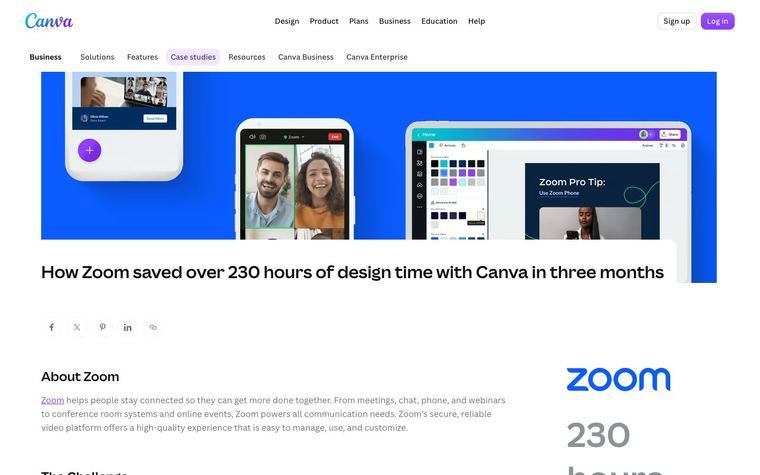
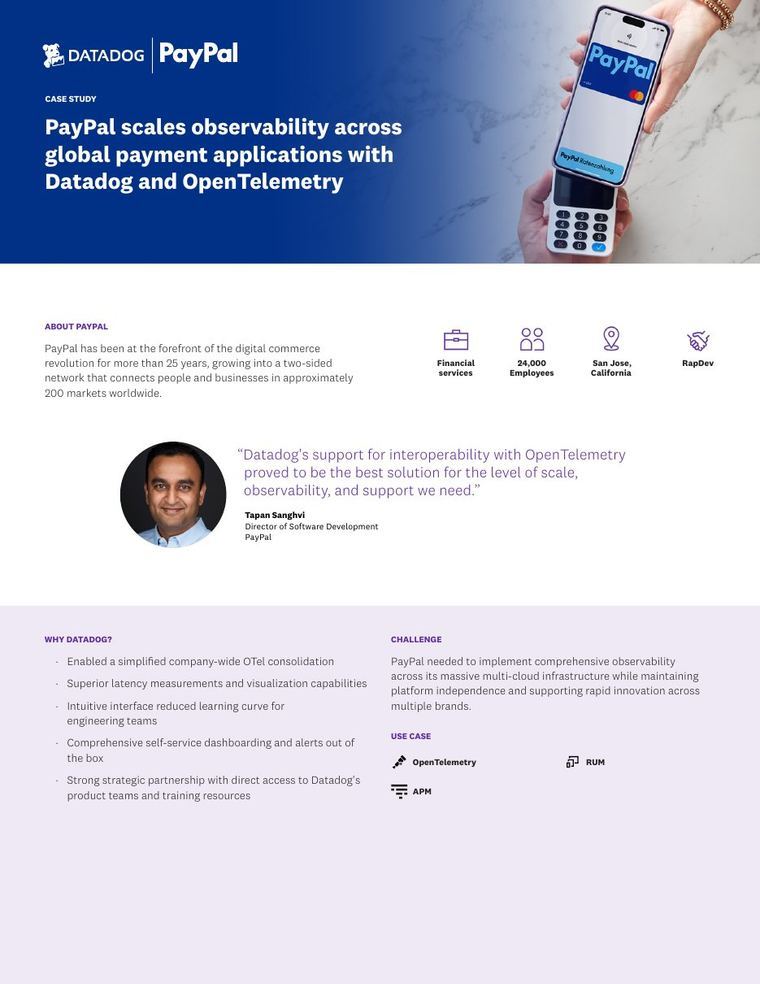
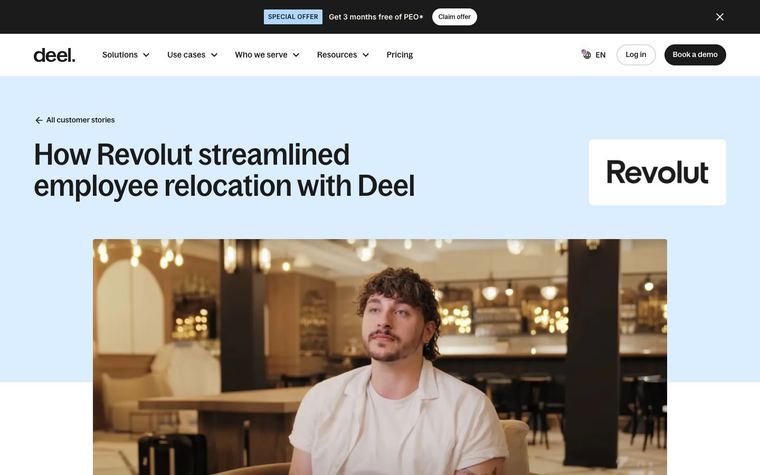
Give readers a structured fact box and result callouts first, then use one named customer voice to explain how the work changed.
The move
The story opens with a back link, the Kalexius logo, the title “Kalexius Uses Wrike To Deliver Legal Services Efficiently, From Anywhere,” a “Request a demo” button, a “Download PDF version” link, and a customer image. A summary block lists “# of Users,” “Top Challenges,” “Why Wrike,” “Feature Highlights,” “Departments using Wrike,” “Headquarters,” “Industry,” and “# of Employees.” After a short company description, two result callouts appear, followed by sections titled “The Challenge,” “The Solution,” “Centralizing work improves transparency,” “Versatility drives operational creativity,” a remote-work section, and “Results.” Quotes from Stella Petersen carry the story through the legal operations problem, the move into Wrike, reporting gains, time tracking, and distributed work.
Why it works
- Our readThe opening facts box gives buyer-ready context before the narrative, including users, challenges, departments, headquarters, industry, and employees.
- Our readThe two early result callouts, “50% less time spent in status meetings” and “360° visibility over all work being performed across the firm,” make the outcome clear before the longer story.
- Our readStella Petersen’s quotes explain the operational details, from logging time to creating client reports, so the story feels specific to how the team works.
What not to copy
Don't copy Kalexius' legal services category, Geneva context, COVID-19 transition story, or Stella Petersen's specific quotes. Keep the fact box, early results, named operator, and section flow from challenge to solution to operating changes to results.
More from Wrike
More case studies


Steal it for your brand.
Tell us what you want to make. We’ll talk through how to put these ideas to work for your brand.