
The lesson
Show the maintenance burden first, then make the product decision feel like a way to return time to the team.
The move
The story opens with the Skyscanner logo, “GitHub Enterprise,” and the headline “Skyscanner uses GitHub Enterprise to get travelers flying for less,” followed by a large office image. A sidebar gives quick facts: “Industry Travel,” “Customer Since 2018,” and “Number of Seats 800+.” The narrative introduces Skyscanner’s growth, Stuart Davidson and the Developer Enablement Tribe, then describes the previous source control system taking up support time. A mid-page section titled “Why Skyscanner chose GitHub Enterprise” lists three reasons, before the story moves into current use, consolidation, innersource, GitHub Apps, Snyk, the GitHub Checks API, pull requests, peer review, and support.
Why it works
- Our readThe page makes Skyscanner’s scale concrete with offices, languages, travelers, seats, and deployment frequency before explaining the tooling decision.
- Our readThe story gives the internal buyer a named role and team, so the problem is tied to developer enablement rather than generic engineering pain.
- Our readThe “Why Skyscanner chose GitHub Enterprise” list turns a long narrative into three buying criteria a reader can scan and remember.
What not to copy
Don't copy Skyscanner’s travel metaphors, office growth story, Developer Enablement Tribe name, or toolchain details like Drone CI and Snyk. Keep the structure of customer context, named technical owner, old-tool burden, buying criteria, current workflow, and quoted operating change.
More from GitHub

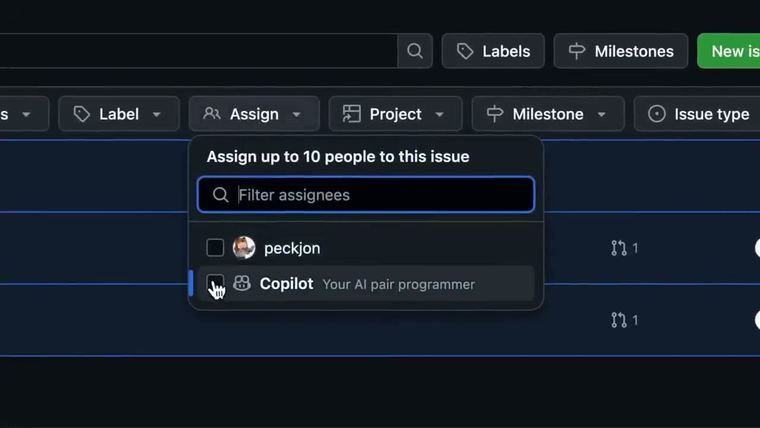
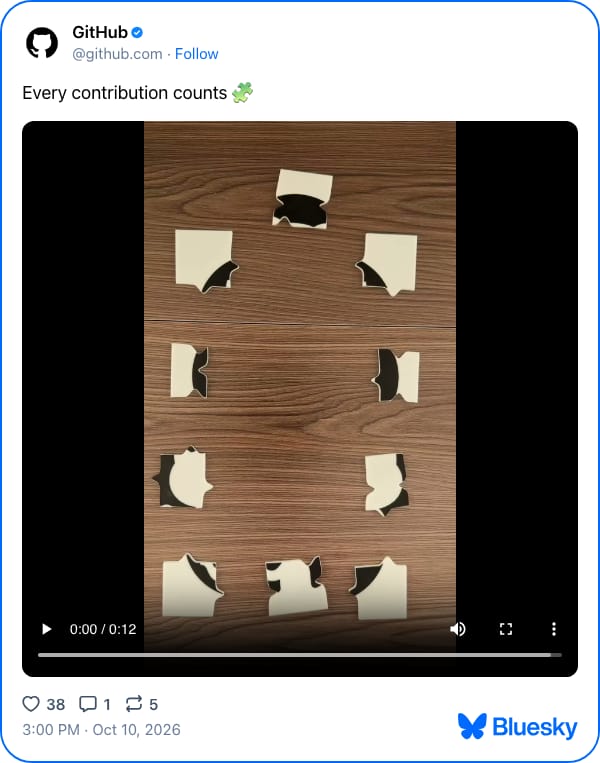


More case studies
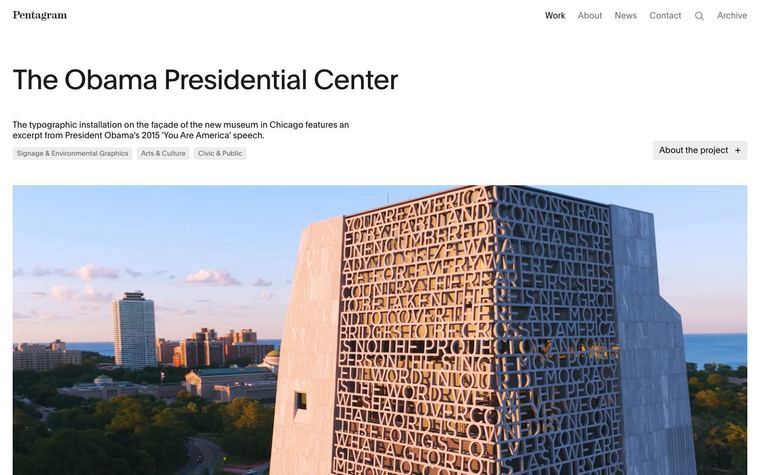
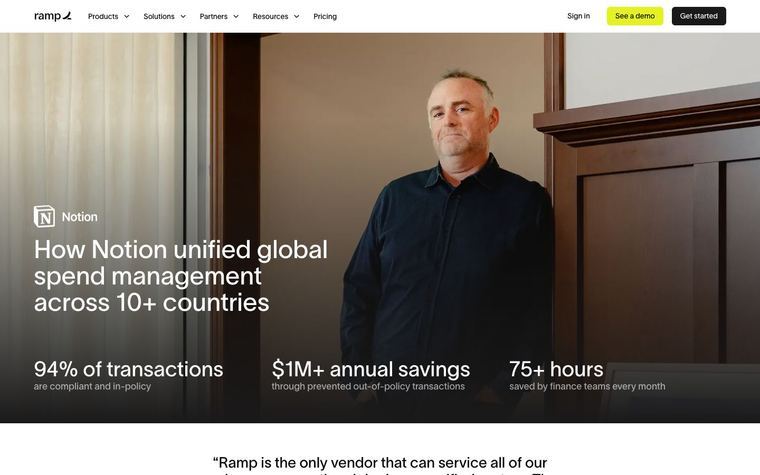

Steal it for your brand.
Tell us what you want to make. We’ll talk through how to put these ideas to work for your brand.