The lesson
Show the internal adoption system that made the product useful, not only the product that was bought.
The move
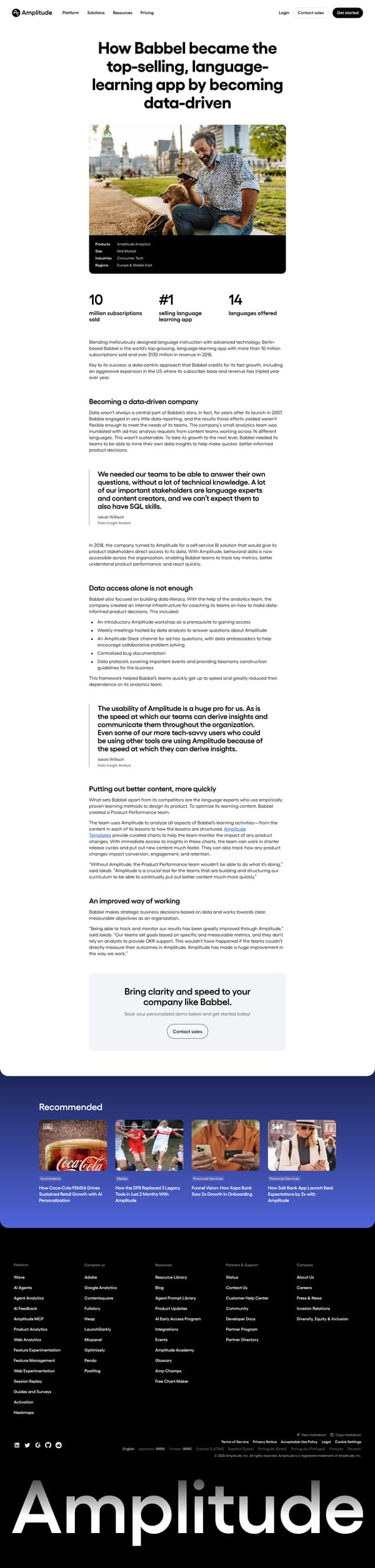
The page opens with the title, a Babbel product and market snapshot, and three proof points: “10 million subscriptions sold,” “#1 selling language learning app,” and “14 languages offered.” The story then moves from “Becoming a data-driven company” to the analytics team’s ad hoc request problem and a named quote from Jakob Willisch. It explains Babbel’s Amplitude rollout, then uses “Data access alone is not enough” to list workshops, weekly meetings, Slack support, bug documentation and data protocols before showing how the Product Performance team uses Amplitude in “Putting out better content, more quickly” and “An improved way of working.”
Why it works
- Our readThe opening puts Babbel's market position, subscriptions sold and languages offered before the narrative, so the reader knows why the customer matters.
- Our readThe first problem is not vague reporting pain, but a small analytics team overwhelmed by ad hoc requests from content teams across languages.
- Our readThe training list shows adoption as an internal system, not just a software purchase, which makes the working change credible.
What not to copy
Don't copy Babbel's language-learning category, Product Performance team, or internal enablement details. Keep the structure of business context, analytics bottleneck, self-service rollout, adoption infrastructure, team workflow and named customer quotes.
More from Amplitude



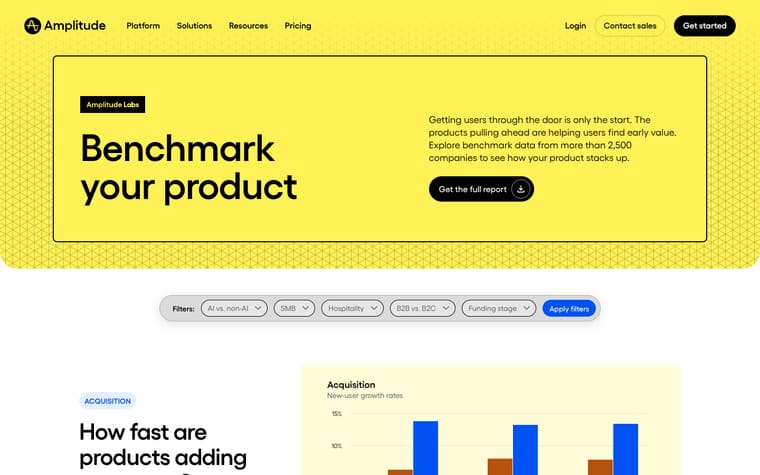
More case studies

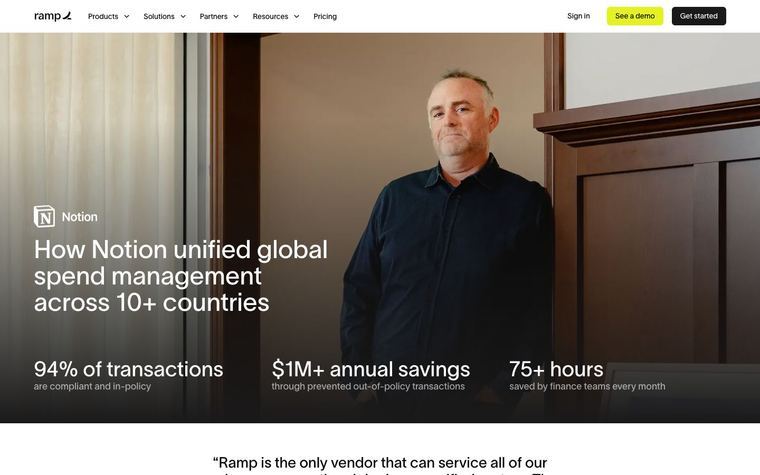

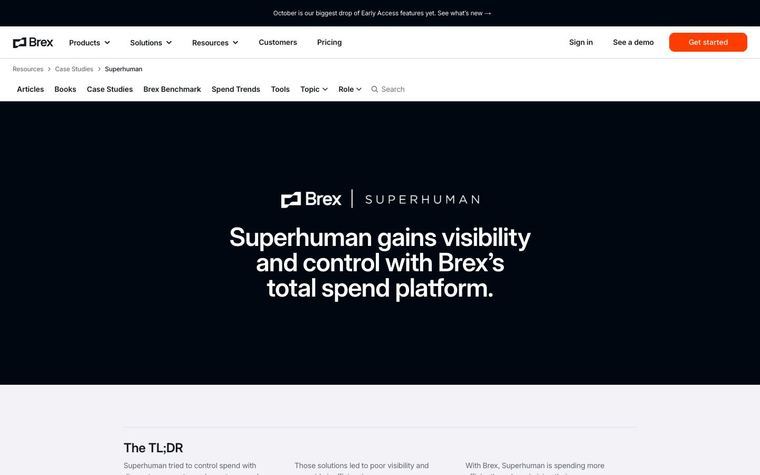
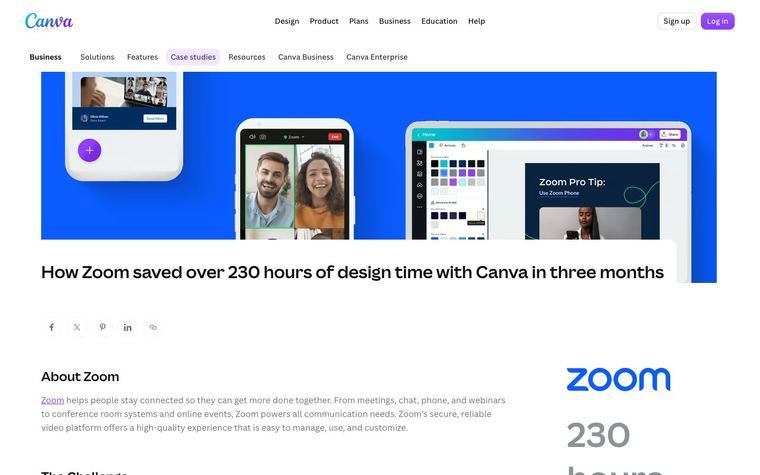

Steal it for your brand.
Tell us what you want to make. We’ll talk through how to put these ideas to work for your brand.