
The lesson
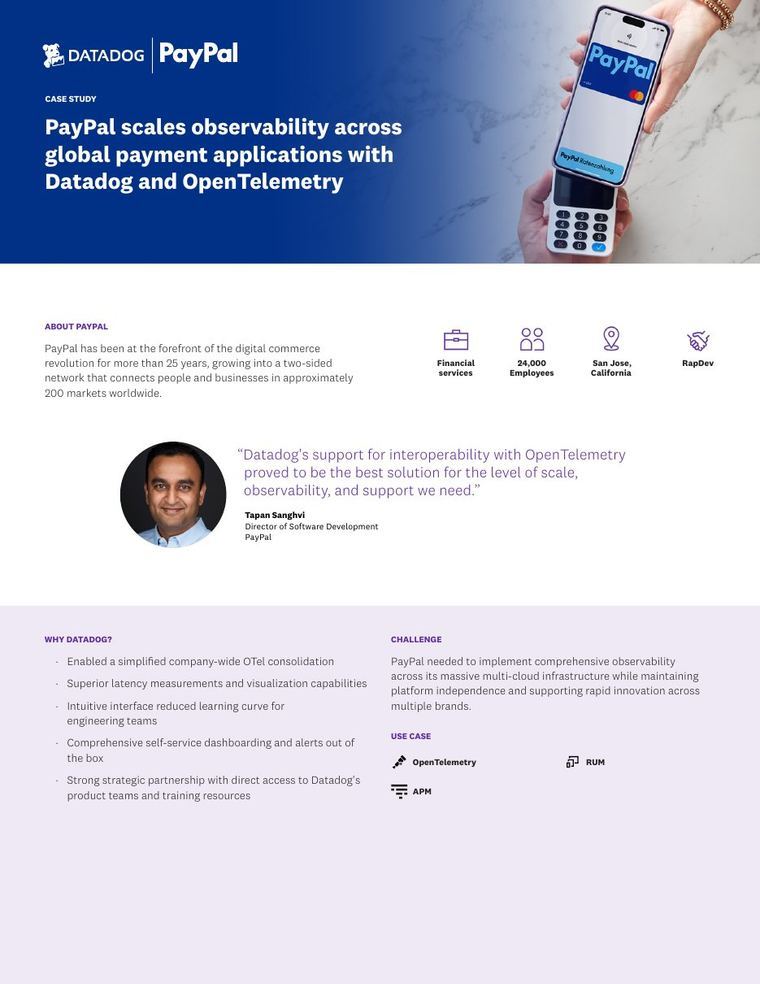
Put three outcome cards right under the headline, then a firmographic card, so a buyer sees the result and checks fit before reading the story.
The move
The headline and a one-line sub-head about evaluating multiple providers sit above three illustrated stat cards: "50% Fx savings", "Zero Hidden charges" and "10/10 Rated customer support". A card follows with the ComplyJet logo, an About paragraph and a row for Industry, Size, Region and Website. The body runs through four icon-headed sections, "Use case", "Problem summary", "Why Xflow" and "Results", with the Results section stating that limit rate execution improved realisation by up to 40% during volatile USD–INR cycles. "Impact on ComplyJet's business" sets four tiles, then a quote from Varun Jain, Founder at ComplyJet, a "Talk to us" and "Download case-study (PDF)" block, and four related stories.
Why it works
- Our readThe three stat cards give the cost, fee and support outcomes before any body copy, so a reader who stops at the top still leaves with the result.
- Our readThe Industry, Size, Region and Website row lets a buyer from a similar small SaaS company confirm fit in one glance.
- Our readSeparating "Use case" from "Problem summary" explains the payment flow first, so the problems with banks and FX spreads read as specific to that flow.
What not to copy
Don't copy Xflow's USD to INR collections detail, the FX limit rate feature, or the India-specific setup without overseas entities. Keep the stat cards under the headline, the firmographic card, the four labeled sections, the impact tiles and a single named founder quote before the CTA.
More from XFlow


More case studies




Steal it for your brand.
Tell us what you want to make. We’ll talk through how to put these ideas to work for your brand.