
The lesson
Turn expert advice into a guide by naming the reader’s messy task, giving it a simple framework, and labeling the recurring patterns they can recognize in their own work.
The move
The hero introduces "Starting your fundraising pitch deck" with the promise that the 4th & King team shares pitch plots, sample decks, and field notes for early-stage startups. An author card names Chris Laughlin and Jared Bloom, describes 4th & King, and notes that they’ve helped companies raise $4.5B in capital. The body opens with an introduction about why fundraising decks are hard, then shifts into "Think in acts, not slides" and lays out Act I, Act II, and Act III as the basic movements of a pitch. A later section, "The five most common pitch plots," names recurring plots such as "Starting over," "Doing that over here," "But here’s the thing…," "All the kids are doing it," and "I took it personally."
Why it works
- Our readThe opening names the specific reader, "Early-stage founder," and states the job the guide will help with before teaching the framework.
- Our readThe table of contents previews the whole argument, from "Think in acts, not slides" to the named pitch plots, so a founder can scan the method before reading.
- Our readThe guide replaces a vague deck template with a story structure, which helps the reader decide what each opening slide must prove.
What not to copy
Don't copy Stripe Atlas's startup incorporation context or 4th & King's fundraising language. Keep the expert-authored guide structure that starts with the reader's problem, replaces a common template with a clearer framework, and gives named patterns readers can apply.
More from Stripe

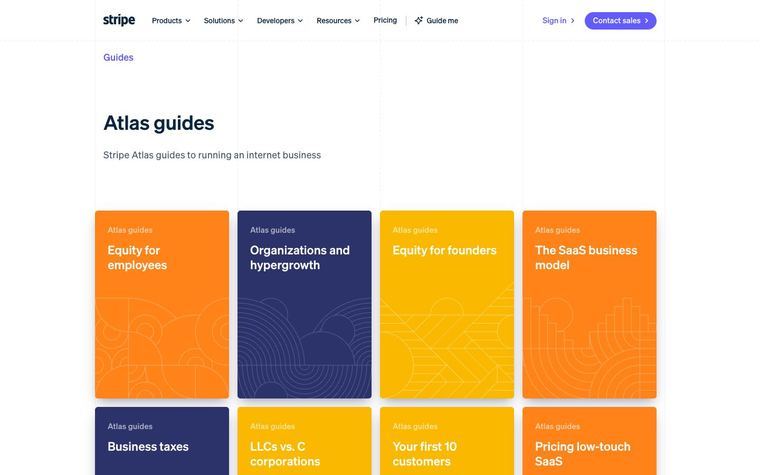






More content marketing


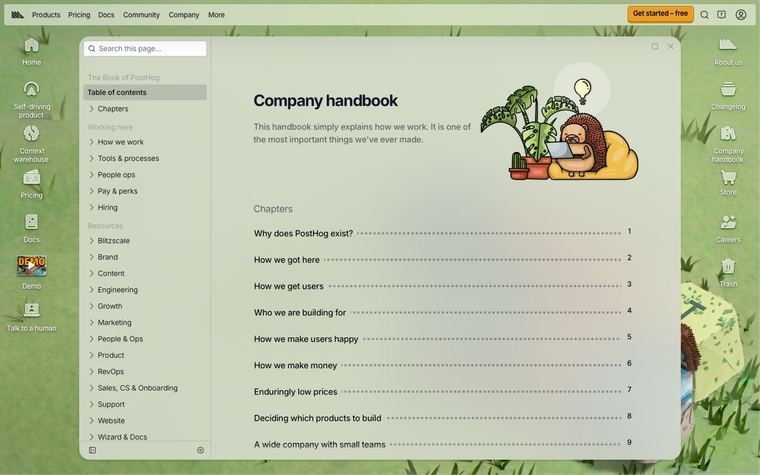



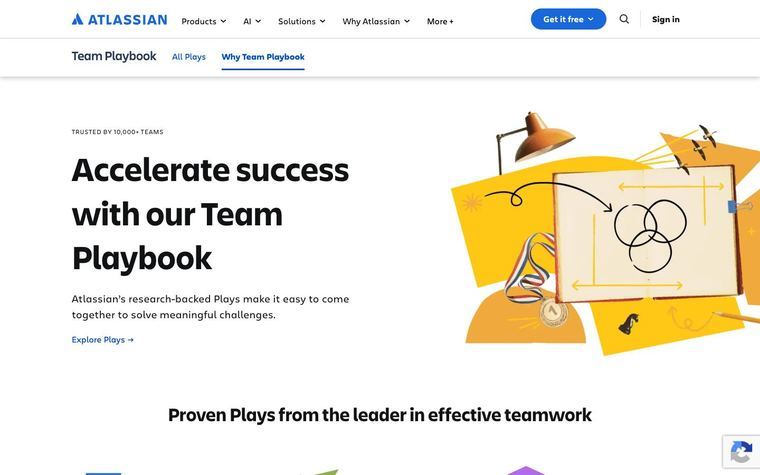

Steal it for your brand.
Tell us what you want to make. We’ll talk through how to put these ideas to work for your brand.