
The lesson
Lead with the measurable result, then make the customer’s relationship risk the reason the story matters.
The move
The story opens in the Marketing Library under “Marketing Automations” and “Email Automations,” with the title “Totally Chocolate Achieves 40% Open Rate by Building Partner Relationships.” A short subhead says Mailchimp’s HubSpot integration helped the supplier cut follow-up time by 95%, followed by customer facts: “Manufacturing/B2B,” “Washington, US,” and “104,000+ subscribers.” The first body section frames the customer’s unusual marketing voice, then “The challenge: One mistake away from ruining relationships” explains why separate audiences mattered. Later, “The tools: HubSpot integration, multiple audiences, segmentation, and analytics” shows the Mailchimp setup through CRM syncing, separate audiences, segmented contacts, email building, video, downloadable flyers, and a named customer quote.
Why it works
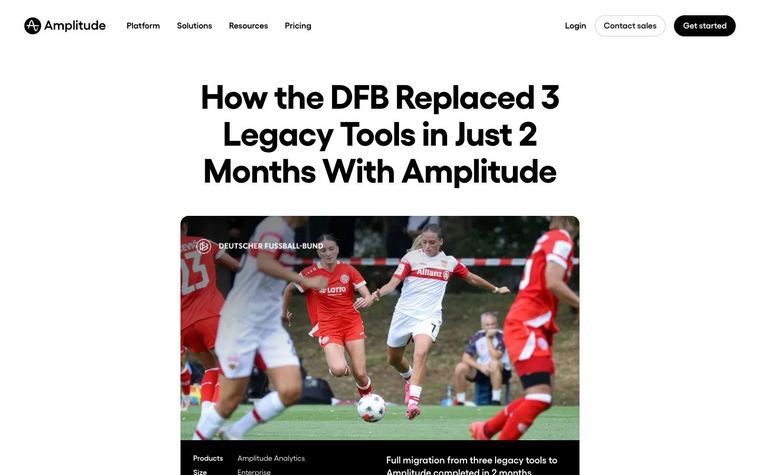
- Our readThe headline gives the result, while the subhead gives the operational change, so the reader gets both outcome and mechanism before the story starts.
- Our readThe relationship risk makes segmentation feel consequential, not just like a feature checklist.
- Our readCustomer quotes from Kristina Beal carry the story because they explain the business rule Mailchimp had to support.
What not to copy
Don't copy the chocolate jokes, distributor model, or HubSpot setup as if they belong to another customer. Keep the structure of result-led headline, customer context, named relationship risk, then the tools that made the new workflow possible.
More from Mailchimp





More case studies

Steal it for your brand.
Tell us what you want to make. We’ll talk through how to put these ideas to work for your brand.