
The lesson
Name the customer's existing stack in the profile card and build the story around why the product fits what they already use.
The move
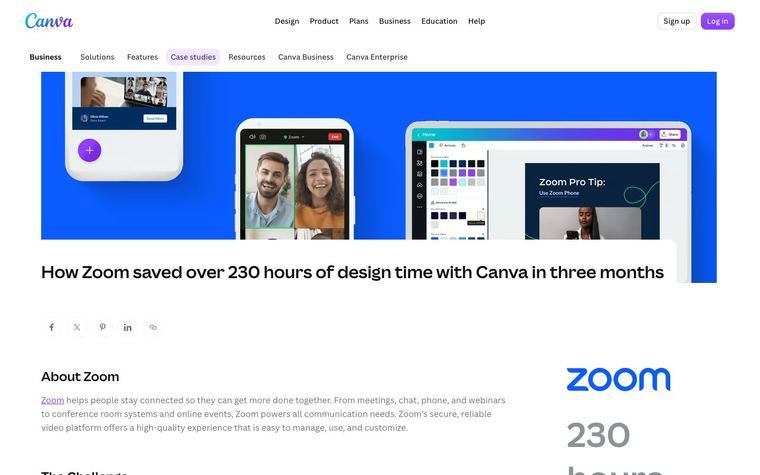
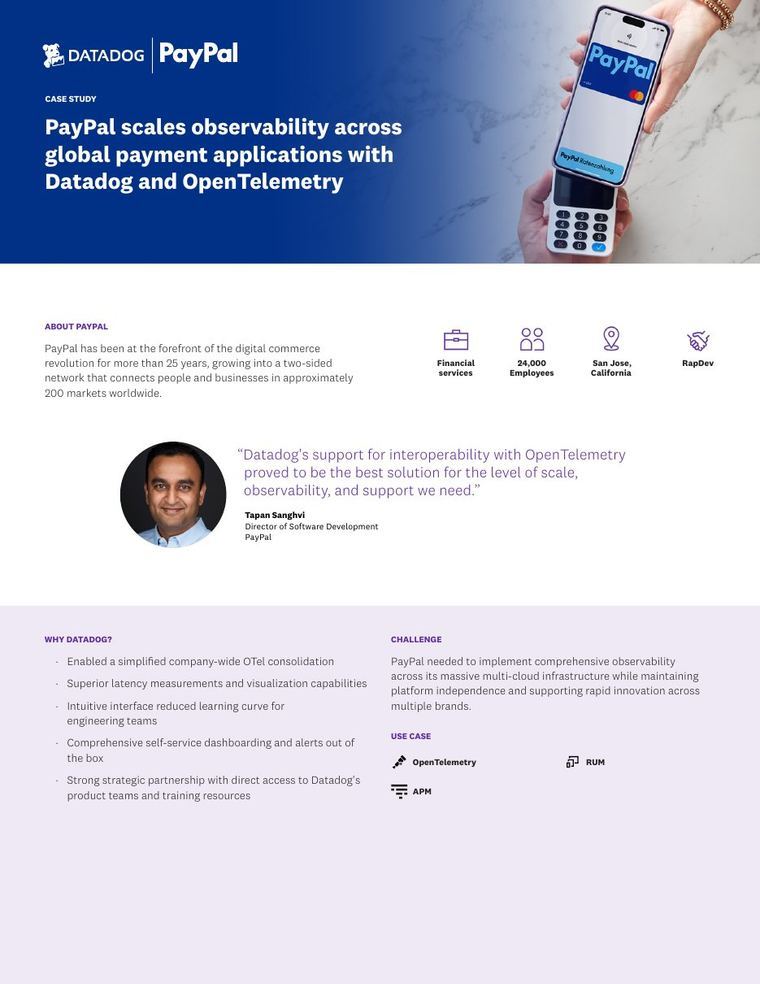
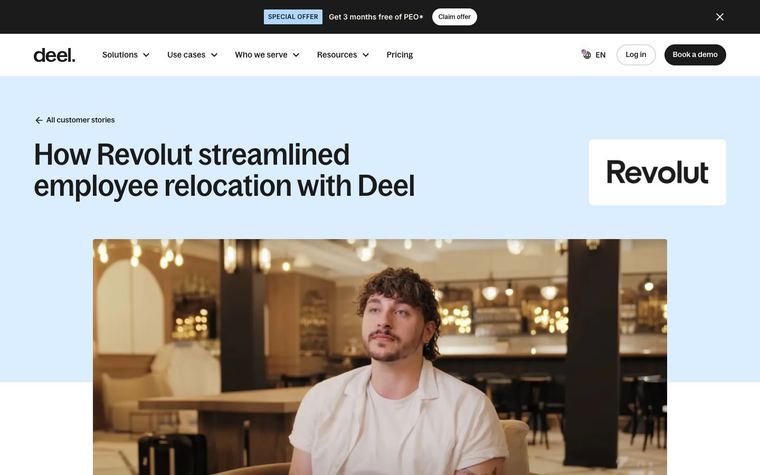
The hero gives the headline, a line saying it is a conversation with Matthew Powers, Chief Technology & Product Officer, and three stat tiles for data team hours, metric alignment and dashboard turnaround. A sticky left column holds the Tatango logo, the speaker, a 4 min read label, Industry, Size and Data stack (Snowflake, dbt), plus an "On this page" list. The body runs "The problem: fragmented data & slow decisions", "Why Lightdash's dbt-native approach won", "From kickoff to adoption in four weeks", "Life with Lightdash: The dbt advantage in action" and "Looking ahead", with a boxed Powers quote in each, and closes on a "More stories" row and a "Try it on your own data" call to action.
Why it works
- Our readListing Snowflake and dbt in the profile card tells a data buyer within seconds whether this story matches their own setup.
- Our readNaming the tools Tatango evaluated, Looker, Metabase and Preset, answers the comparison a buyer is already making.
- Our readAdmitting the hard part was modeling over 1,000 dbt models, not the product, makes the four-week timeline more believable.
What not to copy
Don't copy Lightdash's dbt-native argument, the SMS fundraising context or the second-person "Picture this" opener. Keep the stat tiles under the hero, the sticky card with stack and jump links, one named speaker quoted in every section, and the competitor list in the decision section.
More from Lightdash

More case studies

Steal it for your brand.
Tell us what you want to make. We’ll talk through how to put these ideas to work for your brand.