
The lesson
Make a contested market claim look less like a preference by showing that several unrelated fields reach the same conclusion.
The move
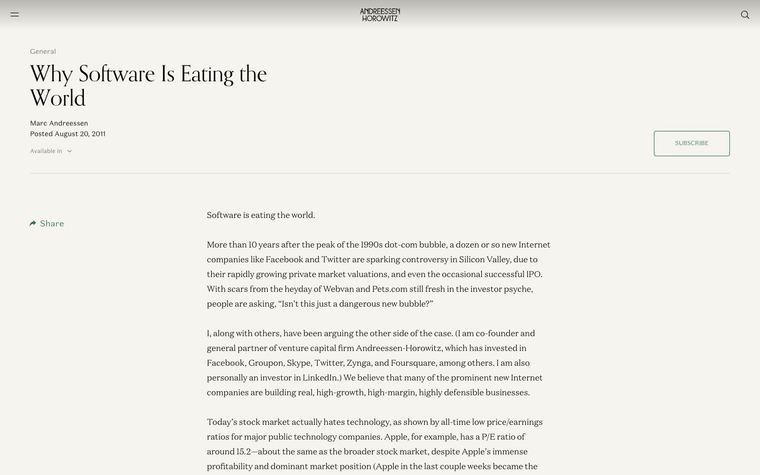
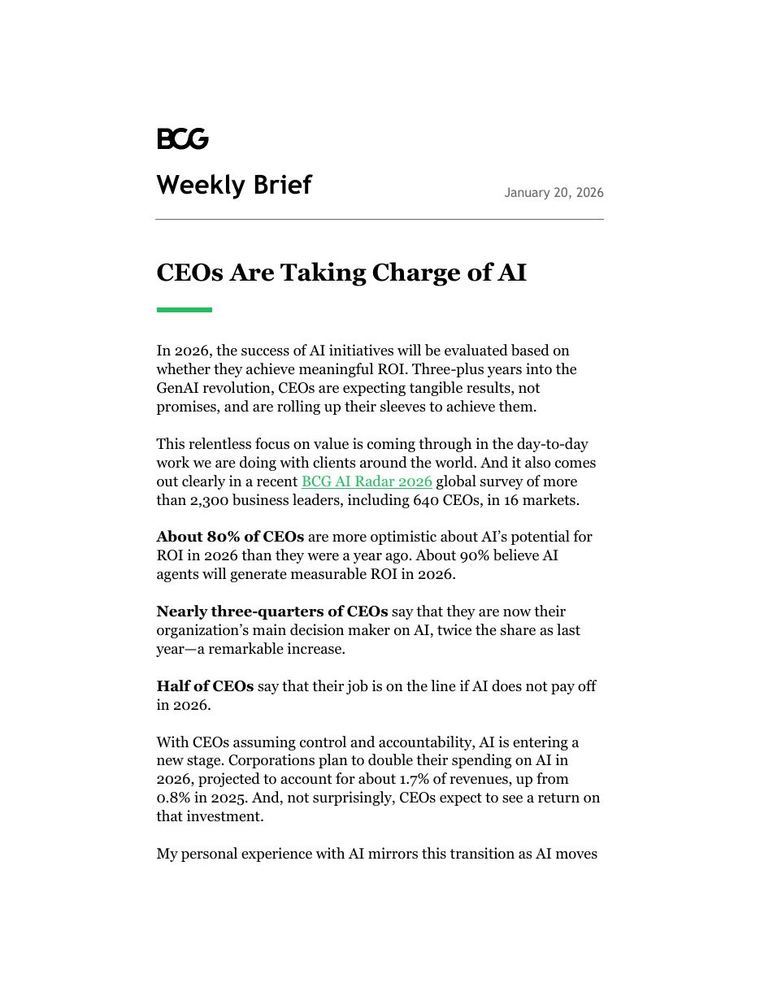
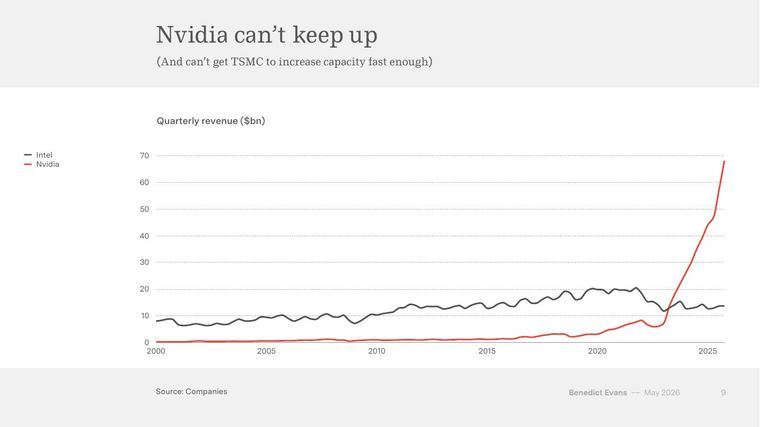
Under the title, a subhead promises to show what "optimization theory, evolutionary biology, competitive markets, and machine learning all predict." The intro states Dharma AI's existing view, names the paper by Goldfeder, Wyder, LeCun, and Shwartz-Ziv that it builds on, and says the framing and synthesis are Dharma's. It then states the conventional expectation that more capable AI grows more general and counters it, followed by one section per domain: "An Algorithm Wins by Fitting Its Target," "What Biology and Markets Already Know," "Machine Learning Keeps Rediscovering Specialization" and "What Scaling Doesn't Change." The essay closes with a primary source, a full source list and further reading.
Why it works
- Our readStating the reasonable opposing view first gives the reader a clear position to measure the thesis against.
- Our readEach domain section arrives at the same finding by a different mechanism, so the argument builds as convergence and doesn't rest on one field.
- Our readNaming the source paper up front and listing citations at the end lets a skeptical technical reader check the claims.
What not to copy
Don't copy Dharma's specialization thesis or its reliance on one academic paper. Keep the structure: state the common belief, contradict it, then give each section heading to an independent field that supports the same claim, with sources at the end.
More executive briefs





Steal it for your brand.
Tell us what you want to make. We’ll talk through how to put these ideas to work for your brand.