
The lesson
Win technical buyers by drawing the line between what they should build and what they should buy, then show the exact calls that join the two sides.
The move
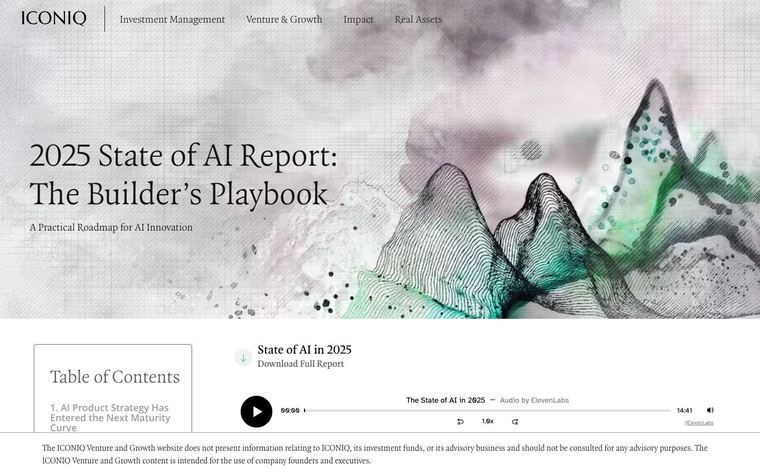
The paper opens with an introduction that names its reader as the platform engineer or architect, calls itself 'a design guide, not a tutorial', and includes a 'How to read this' box that routes readers to different chapters by goal. It states one principle, that an agent platform is two systems, then under 'What a platform must do' and 'A shared-responsibility model' gives two tables: the platform surface you build (Declare, Manufacture, Run, Operate) and the governance substrate Dome provides (Identify, Authorize, Route models, Broker tools, Account). 'How Dome provides the governance substrate' maps each responsibility to a Dome component, API surface and CLI command, and later chapters such as 'Balancing responsibilities between runtime and governance' and 'Identify' work through each row with diagrams, tables and code.
Why it works
- Our readBorrowing the shared-responsibility model from cloud adoption gives engineers a frame they already trust for deciding what to build.
- Our readLeaving the build side to the reader's own runtime choices makes the case for buying the governance side sound like advice rather than a pitch.
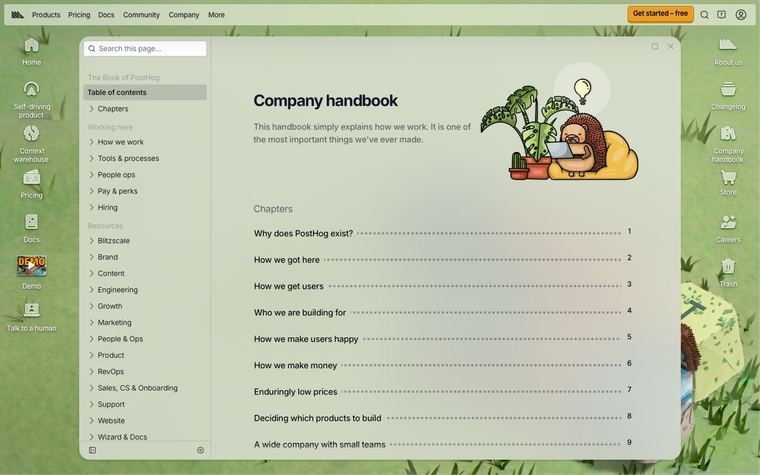
- Our readThe reading guide and side table of contents let a reader who only needs the boundaries stop early, while implementers jump straight to the API chapters.
What not to copy
Don't copy Dome's five governance responsibilities or its API and CLI names. Keep the two-table split of build versus delegate, a mapping table that becomes the spine of later chapters, and a short note on how to read a long paper.
More from Dome Systems

More content marketing
Steal it for your brand.
Tell us what you want to make. We’ll talk through how to put these ideas to work for your brand.