
The lesson
When the customer's problem has two distinct parts, name both in the challenge, solve each in turn, and close with one result per part.
The move
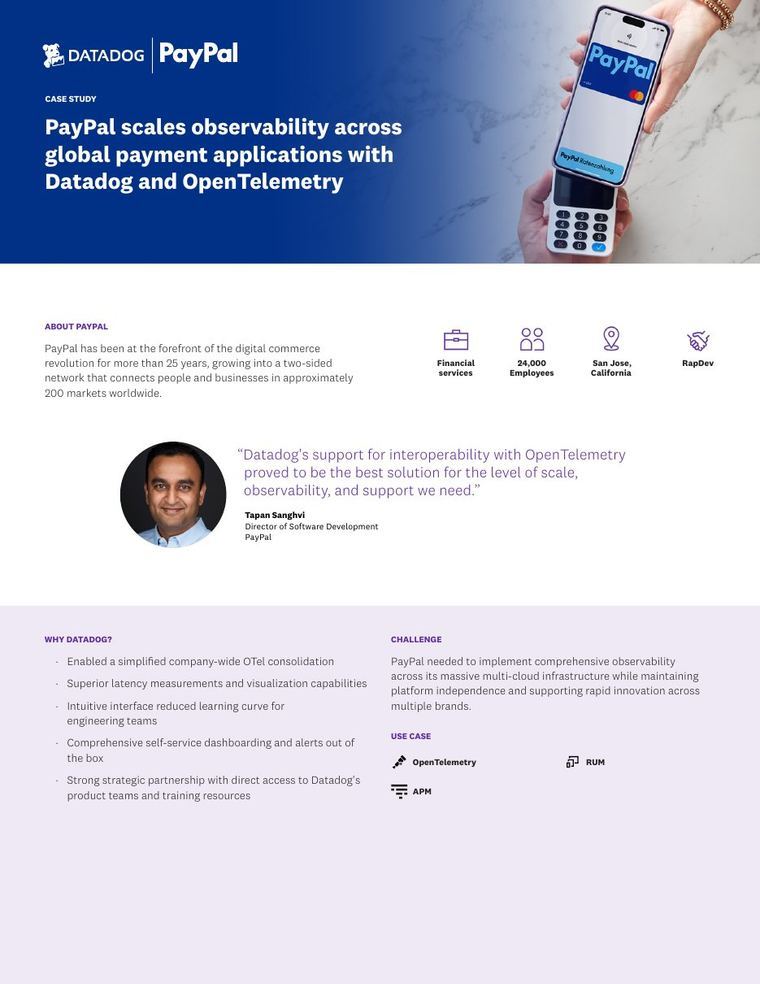
Under the headline "WisdomAI: Unified Auth for Customers and MCP Servers" sits a co-branded logo card. A left sidebar lists Industry, Use Case and "Why Descope" tags next to an italic intro that ends "Here's how Descope helped." The body runs "About WisdomAI", "The authentication challenge" (two bolded segments: B2B user authentication, and MCP server and AI agent authentication), "The Descope experience" with a product sign-in image and a quote from the Founding Engineer, then "Auth partner from seed to scale" with three bolded outcomes and a closing quote from the Co-founder and CEO. Descope boilerplate and a "More customer stories" row of three cards end the page.
Why it works
- Our readSplitting the challenge into two bolded segments lets a technical buyer find the part that matches their own problem, B2B SSO or agent auth, before reading the solution.
- Our readThe "About WisdomAI" section explains how the product handles hallucination, so the reader knows the customer is technical and its choice of vendor carries weight.
- Our readAn engineer quote in the solution section and a CEO quote in the results section give both the builder and the budget holder a voice they recognize.
What not to copy
Don't copy the MCP, OAuth 2.1, PKCE and token vault detail, the Gartner banner or the startup program angle. Keep the sidebar of industry, use case and why-us tags, the challenge split into named parts that the solution and results answer in order, and a practitioner quote followed by an executive quote.
More from Descope


More case studies
Steal it for your brand.
Tell us what you want to make. We’ll talk through how to put these ideas to work for your brand.