
The lesson
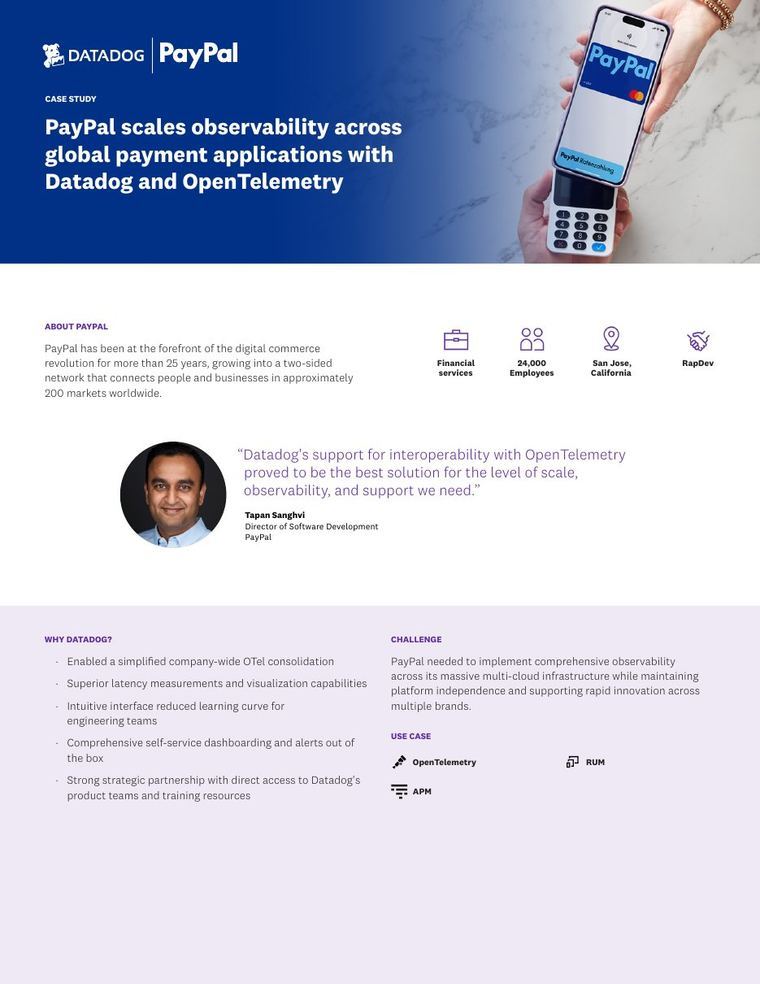
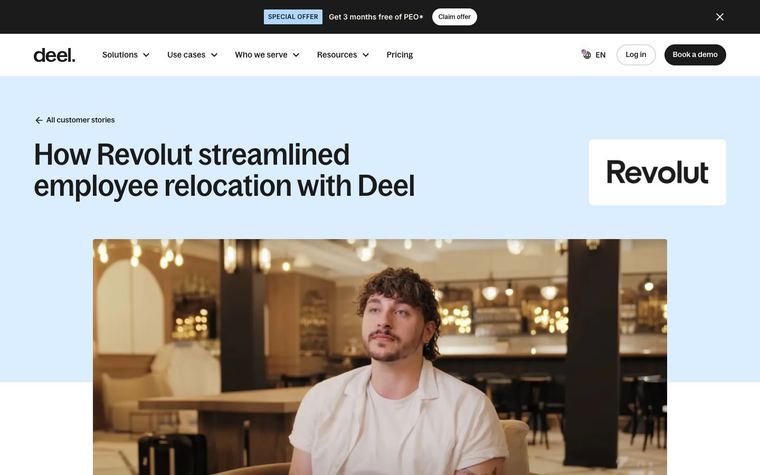
Organize a multi-product case study as one section per product, each with a concrete incident and a closing quote from someone at the customer who used it.
The move
The headline sits over a large dotted bolt graphic, followed by three stat tiles that lead with words, not digits: 'Millions', 'Zero' and 'On time'. A side nav lists About Supabase, Coverage, Agentic pentesting and Dependency Firewall beside a CISO quote and a context section, 'Securing the data behind 8.5 million customer projects'. Three product sections follow: 'Getting complete coverage on code security at scale', 'Ensuring urgent releases are secure with agentic pentesting' and 'Preventing supply chain attacks without developer interruptions'. Each section ends with an Etienne Stalmans quote, and the page closes on 'Secure on depthfirst' with a demo button.
Why it works
- Our readThe CISO quote saying the team uses the whole suite justifies the product-by-product layout before the reader reaches it.
- Our readEach section carries a specific event, such as a launch at risk, HackerOne reports already in progress, or an injection bug escalated to critical, which makes the claims checkable in kind.
- Our readThe side nav mirrors the product sections, so a buyer who cares about one product can jump straight to it.
What not to copy
Don't copy Supabase's Postgres context, the bug bounty and pentest anecdotes, or the 'blocking mode and no one noticed' line. Keep the stat tiles, the buyer-level quote that frames scope, the context section, and one product section per capability closed by a practitioner quote.
More from depthfirst


More case studies


Steal it for your brand.
Tell us what you want to make. We’ll talk through how to put these ideas to work for your brand.