
The lesson
Lead with the customer’s operational proof, then show the old system pain through named operators who lived with it.
The move
The story opens with the label “CUSTOMER STORY,” the title, a short summary, and a video panel. Three result callouts follow: “80% decrease in time to issue pay corrections,” “5,000 employee logins through the Dayforce web and mobile app each week,” and “<1% error rate in the first pay cycle with Dayforce.” A company facts block names the headquarters, industry, and products used, then the narrative moves through “Mitigating operational risk at scale,” “Mastering complexity and transforming through technology,” and “Successful implementation through meaningful partnership.”
Why it works
- Our readThe three outcome callouts appear before the long story, so a public sector buyer can understand the value without reading every section.
- Our readThe problem is made concrete with quotes about paper reports, a DOS-like screen, and four different time-keeping systems.
- Our readMultiple named City leaders explain payroll, benefits, finance systems, and auditing needs, which makes the change feel enterprise-wide rather than departmental.
What not to copy
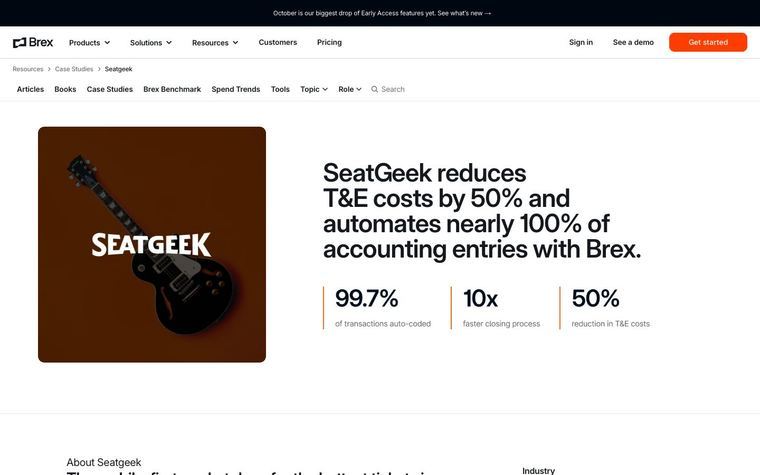
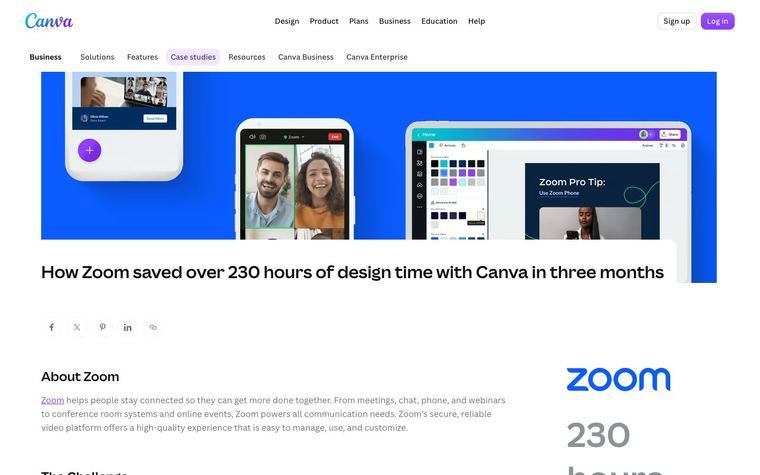
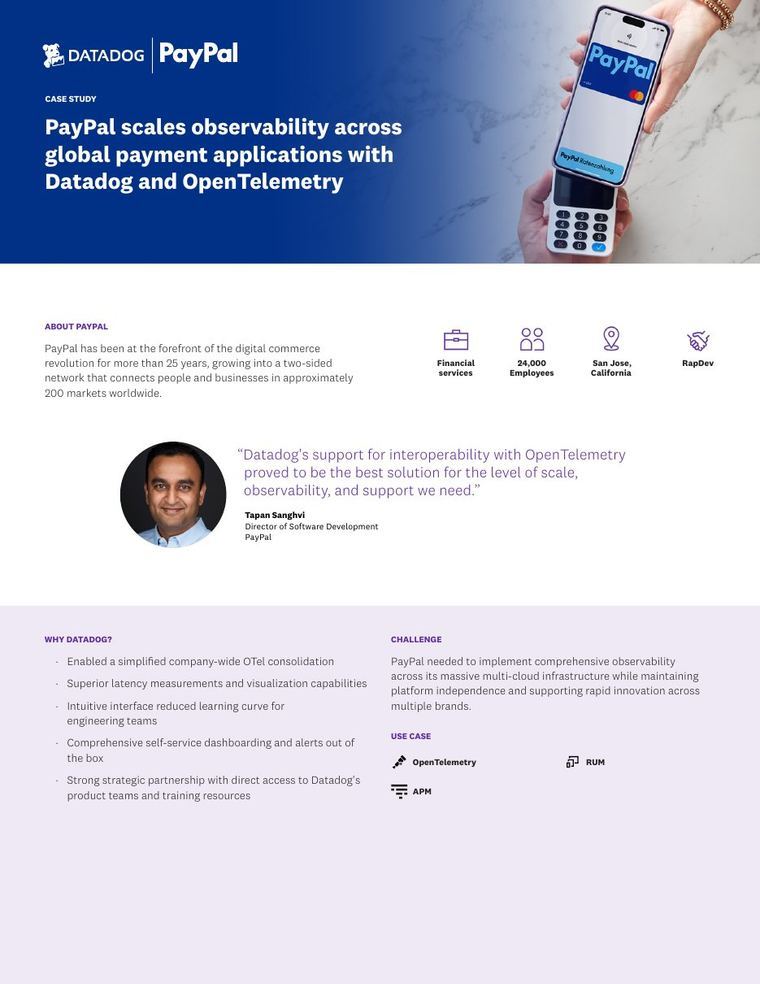
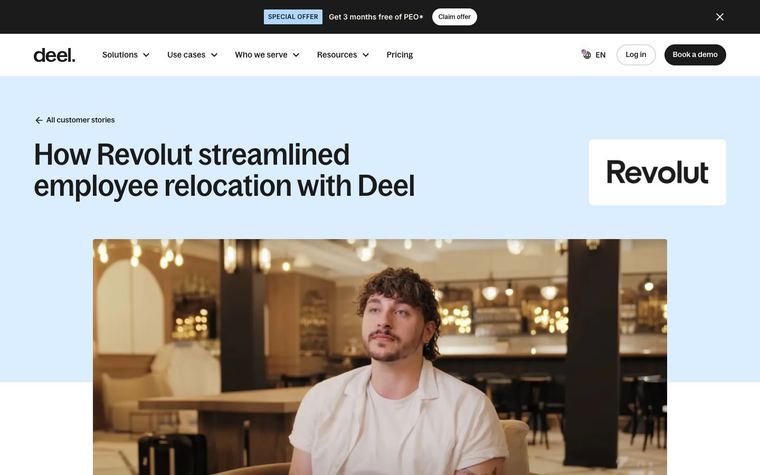
Don't copy Columbus civic details, its bargaining-unit complexity, or the pandemic implementation moment. Keep the structure of three customer-owned results, a factual customer profile, named quotes from operators, and sections that move from operational risk to system consolidation to partnership.
More from Dayforce
More case studies

Steal it for your brand.
Tell us what you want to make. We’ll talk through how to put these ideas to work for your brand.