
The lesson
Open a research report with one concrete incident, then stack sourced third-party numbers under plain-named problem sections that lead to an action list.
The move
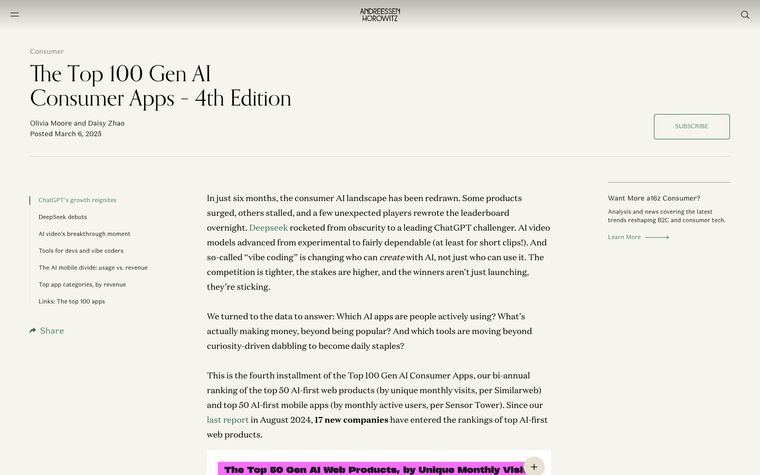
Under a 'PROVENANCE' label, the title sits over a subtitle on security, compliance and incident response, with 'Intermediate', '18 min read' and a publish date. The body opens with the July 2025 story of an AI agent deleting Jason Lemkin's production database, then says 'This is not an outlier. It is a preview.' A sticky contents rail lists 'The Scale Problem', 'The Verification Crisis', 'The Quality Cost', 'The Regulatory White Space', 'The Insurance Flip', 'What This Means for Security, Compliance, and Incident Response' and 'What to Do Now', and each section cites named sources such as GitHub, SonarSource, METR, CodeRabbit, Black Duck and NIST. Continue Reading cards close the page.
Why it works
- Our readThe opening incident gives the reader a single story to hold before the statistics arrive, so the numbers read as evidence for something already felt.
- Our readSection names framed as problems, like 'The Verification Crisis', let a reader scan the contents rail and grasp the argument before reading a paragraph.
- Our readNaming the source for each figure, including Microsoft's own caveat on its revert data, makes the report safer for a security or compliance reader to quote.
What not to copy
Don't copy the Replit incident, the cited statistics or the provenance framing tied to Crash Override's product. Keep the incident opener, the problem-named sections in a sticky contents rail, the source named beside every figure, and the closing 'What to Do Now' section.
More from Crash Override

More content marketing



Steal it for your brand.
Tell us what you want to make. We’ll talk through how to put these ideas to work for your brand.