
The lesson
Make a market argument by naming the default behavior you oppose, admitting where it works, then showing the specific costs it creates.
The move
A centered Basecamp mark leads into the title, "Group Chat: The Best Way to Totally Stress Out Your Team," and the subhead about a communications conveyor belt that never ends. The essay opens with the claim "Group chat is like being in an all-day meeting, with random participants, and no agenda," then argues that chat has become an interruption factory. It gives chat a fair hearing in "The positives of chat," with uses like hashing things out quickly, red alerts, having fun, and a sense of belonging. Then "The negatives of chat" turns into the main argument, naming harms such as mental fatigue and exhaustion, an ASAP culture, fear of missing out, line-at-a-time thinking, and implied consensus.
Why it works
- Our readThe opening compares group chat to an all-day meeting, so the argument is understandable before the reader reaches the evidence.
- Our readThe positives section concedes where chat works, which makes the later criticism feel less like a blanket rejection.
- Our readThe negatives are named in plain work terms like mental fatigue, ASAP culture, and fear of missing out, so readers can map the argument to their own day.
What not to copy
Don't copy Basecamp's anti-chat stance, sugar and cigarettes analogy, or Basecamp-specific history. Keep the structure of a strong thesis, a short concession to the other side, and a longer named list of consequences.
More from Basecamp
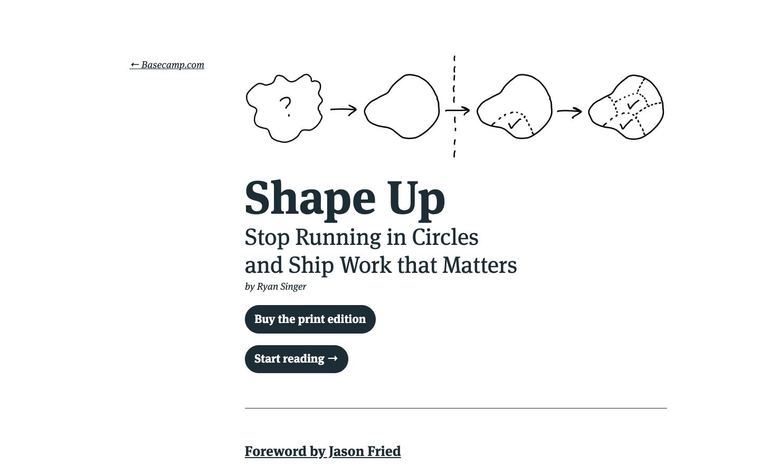

More executive briefs


Steal it for your brand.
Tell us what you want to make. We’ll talk through how to put these ideas to work for your brand.