The system
Fixed, everywhere

- White ground, black/grey OpenAI Sans type
- Sentence case everywhere
- Black wordmark top-left
- Full-pill buttons
- Image-first cards with tag and date
The one thing that varies
The image: blurred gradient, product render or warm photography changes from post to post.
Every piece passes 7 checks
No brand hue
White ground, black/grey type, black pill CTA; any colour must come from an image.
Sentence case
Every head sentence case, no end period, no exclamation marks.
Logo
Wordmark alone top-left on web; blossom only with a product/sub-brand name or alone in ads; never recoloured to a hue.
Imagery
Soft blurred gradients or warm candid photos of real people; never stock, never text on a gradient tile on the site.
Cards
Image, title, then tag + date; no excerpts or buttons on cards.
Pills
Buttons and chips are full pills; primary black, secondary light grey, chips outlined.
Sourced claims
Every number or customer is one OpenAI itself published, with its link.
Strategy
An AI research and product company whose home page is ChatGPT itself: a prompt box asking how it can help, with research, products and stories underneath (paraphrase). Observed
Full spec
- For Observed
- Everyone first (consumer prompt in the hero), then businesses ("OpenAI for business", "Contact sales") and developers (paraphrase).
- Problem Our reading
- Getting real work and everyday tasks done; customer stories frame it as time and cost saved (paraphrase).
- Mission Observed
- Our mission is to ensure that artificial general intelligence benefits all of humanity.
Proof behind each pillar
Story Observed
Operating since 2015 (footer "OpenAI © 2015–2026"); the site now leads with ChatGPT as a helper, with research, business, developers and a nonprofit Foundation alongside (paraphrase).
Category. Frontier AI models and the products built on them: ChatGPT, Codex, the API Platform (paraphrase of nav/footer). Observed
Why them
- Frontier research named alongside products ("Latest research" on home, "frontier" in many summaries) Observed
- Safety and security framed as product work (Safety and Security nav categories) Observed
Boilerplate Observed
Our mission is to ensure that AGI benefits all of humanity.
Taglines
Personality and voice
Calmbut not LoudObserved
Helpfulbut not SalesyObserved
Specificbut not VagueObserved
Humanbut not TechyObserved
Full spec
- Headlines and section heads are sentence case with no end period (product names keep their capitals).
- News summaries name the company in the third person ("OpenAI is…", "OpenAI introduces…"); "we/our" is kept for first-person essays and the mission.
- Customer stories are titled "[Customer] [verb] [outcome] with [product]".
- Launches open with "Introducing".
- A named programme, model or series goes before a colon, then a sentence-case subtitle.
- Customer and engineering stories carry one concrete number.
- CTAs are two- or three-word verb phrases.
- No exclamation marks: none in the 200 most recent RSS titles and summaries.
- Curly apostrophes, en dash in ranges, a non-breaking hyphen in model names, ↗ for external links.
- Consumer ads talk to "you": a short question or setup, then a plain instruction.
PlainCalmUsefulHumanSpecific
- Headlines and section heads are sentence case with no end period (product names keep their capitals).
- News summaries name the company in the third person ("OpenAI is…", "OpenAI introduces…"); "we/our" is kept for first-person essays and the mission.
- Customer stories are titled "[Customer] [verb] [outcome] with [product]".
- Launches open with "Introducing".
- A named programme, model or series goes before a colon, then a sentence-case subtitle.
- Customer and engineering stories carry one concrete number.
- CTAs are two- or three-word verb phrases.
- No exclamation marks: none in the 200 most recent RSS titles and summaries.
- Curly apostrophes, en dash in ranges, a non-breaking hyphen in model names, ↗ for external links.
- Consumer ads talk to "you": a short question or setup, then a plain instruction.
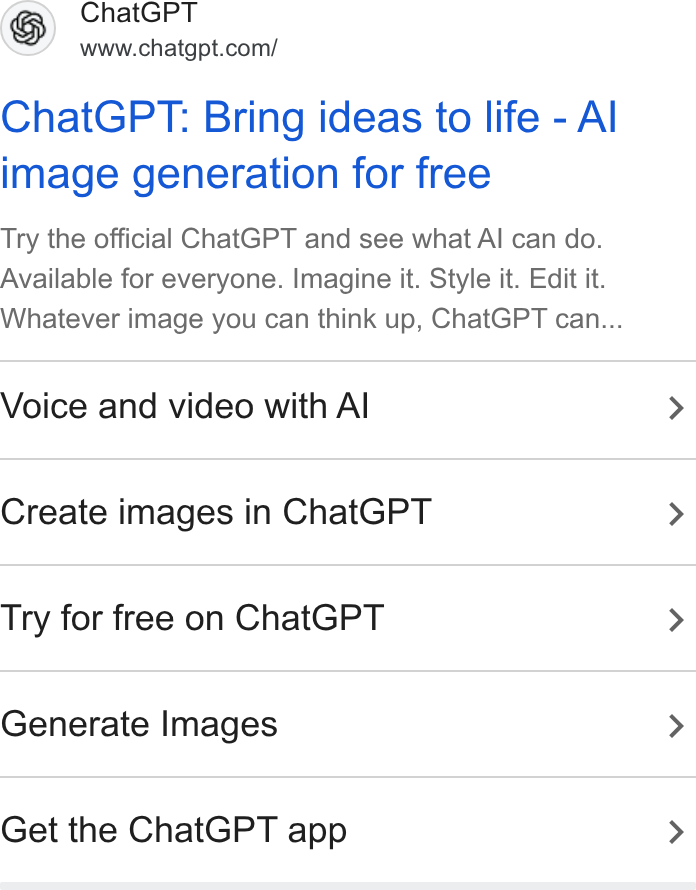
- Observed in ads: offer heads are one sentence split into two beats by a comma ("Dream it, then make it", "Data, now beautifully designed"), followed by "Try [product] for free"; store heads are three-word verb phrases ("Talk it out anytime"). (observed: Google Ads Transparency OpenAI OpCo, LLC; App Store listing)
- Our reading of tone from openai.com headlines, RSS summaries, developers.openai.com and OpenAI ads (inferred); no published voice guide was reachable (openai.com/brand returns a 500).
- Recurring words in 2026 summaries: frontier, everyday, agents, build, helping, security, research, teams.
Logo


openai.com uses the "OpenAI" wordmark alone, black, top-left of a white header.

Full spec
openai.com uses the "OpenAI" wordmark alone, black, top-left of a white header. The blossom appears with sub-brands (blossom + "Business" on openai.com/business) and alone on developers.openai.com and in ads, where it is white beside a product name. The footer has no logo, just "OpenAI © 2015–2026".
- Wordmark alone top-left on openai.com pages
- Blossom + sub-brand name for product/sub-site headers
- White blossom on photos and dark grounds
Color
White pages with black and grey type; the only colour on openai.com is inside images: gradient tiles and photography.
Full spec
White pages with black and grey type; the only colour on openai.com is inside images: gradient tiles and photography. Grey pills and one grey panel ("Get started with ChatGPT") are the only tinted surfaces.
Typography
What can I help with?
One family, OpenAI Sans, sentence case throughout.
Full spec
One family, OpenAI Sans, sentence case throughout. Hero question in medium/semibold; the large feature title reads regular; card titles regular ~16-18px; category tags small and darker than the grey dates. developers.openai.com: H1 30/42 600, card heads 18/24.75 600, body 16/24 400, tracking -0.01 to -0.02em.
| Their face | Use | License | Open stand-in |
|---|---|---|---|
| OpenAI Sans | All heads, weights 400-600 | Proprietary (cdn.openai.com); stand-in Albert Sans, width within ~1.3%, identical x-height | |
| OpenAI Sans | Body, nav, buttons, meta | Proprietary; stand-in Albert Sans |
- Sentence case everywhere
- One family; weight, not colour, separates levels
- Tight negative tracking on heads
Graphic elements
Do One sentence-case question ("What can I help with?") in OpenAI Sans medium/semibold, centred, over a wide white rounded prompt box with a hairline grey border, soft grey halo and a round grey send button bottom-right; a row of outline pill chips underneath. Nothing else above the fold but white space..
The prompt is the hero · Home hero, centred under the nav
Do The chrome never carries a hue. Images do, and the home page mixes kinds: of its 16 tiles only 7 are soft gradients (4 of the 6 Recent news thumbs, all 3 Latest research tiles). The side column is a dark space render, a launch tile with its own type (GPT-Image 2.6) and a white-grid illustration collage (LifeVal); Recent news adds a typographic collage and a pale-blue line diagram; Stories are warm real photos; business tiles are white customer logos on physical materials (brushed bronze, pebbled leather, glossy orange). Selection rule: gradients only in Recent news and Latest research, never more than 4 of 6 list thumbs; other sections use their own kind; use the supplied slot image for every card.
Colour lives inside images, chosen per section · Every image slot; the mix is set per section
Do #FFFFFF ground; #000000 type; #666666 for dates and grey labels; black pill for the main action, #F5F5F5 pill for the secondary; colour only arrives inside images.
White field, black type, no brand hue · Every openai.com page
Do Image tile, then a black title (1-2 lines), then a 14px meta row: the real category tag in black medium (Albert Sans 460: "Product", "Research", "Safety", "Security", "Publication", "Company", "Startup") then the real date in #666666 ("Oct 29, 2026"), 14px apart; stories and most business cards show the date only. Every card's tag and date are listed in kit.spec.page.sections[].cards.
Card title + tag + date · Every content card on home and news
Do Cinematic, warm, natural-light photo of real people; short bold white OpenAI Sans line(s) set flush left near the top-left or across the middle, often with the white blossom beside a product name ("ChatGPT for Teens")..
Bold white type on warm-lit photography · YouTube thumbnails and paid social
Specimens use sample copy, not OpenAI’s.
Rounded prompt box with halo; outline pill chips; black and grey pills; image-first cards with title, tag and date; a light grey rounded panel for the closing CTA; a mega footer of grey column labels over black links; a grey pill language switcher bottom-right.
Iconography
Minimal filled UI glyphs (search, chevron, send arrow, ↗) in text colour, and solid social icons in the footer.
Full spec
Minimal filled UI glyphs (search, chevron, send arrow, ↗) in text colour, and solid social icons in the footer. No illustrative icon set on openai.com.
Illustration
The house illustration is not drawn: it is soft, blurred, multi-hue light gradients (often with grain), used as the image for news and research posts.



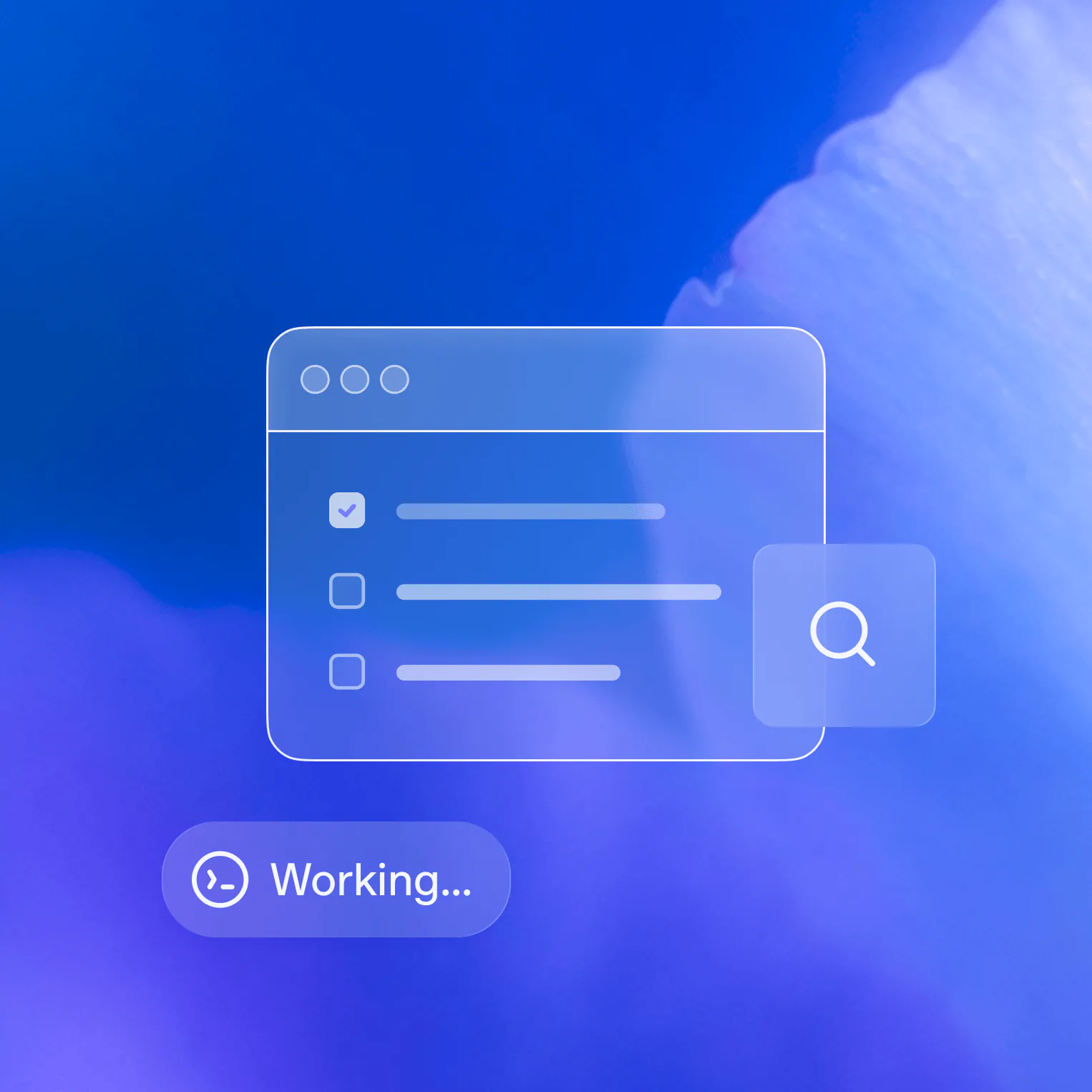


Full spec
The house illustration is not drawn: it is soft, blurred, multi-hue light gradients (often with grain), used as the image for news and research posts. Product launches add glossy 3D-ish objects or numerals on gradients (Images 2.6, "Introducing Businesses in ChatGPT" with floating emoji-like objects). Occasional line diagrams on a dotted grid (Control Room) and hand-drawn caricature in ChatGPT Images ads.
Photography
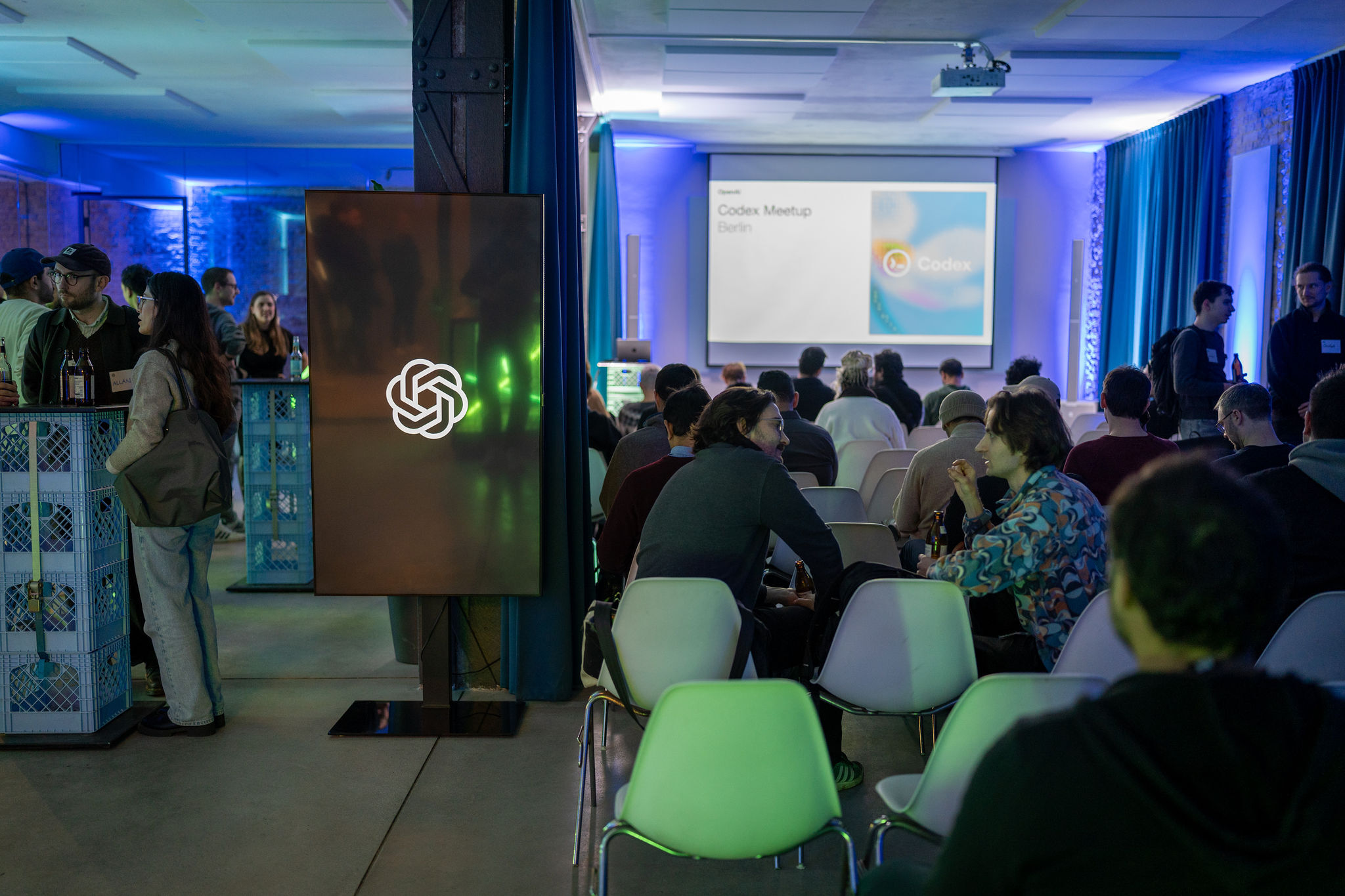
Real people in real places: candid, cinematic, warm natural light, shallow depth of field, muted earthy palettes (wood, knitwear, kitchens, streets, fields).
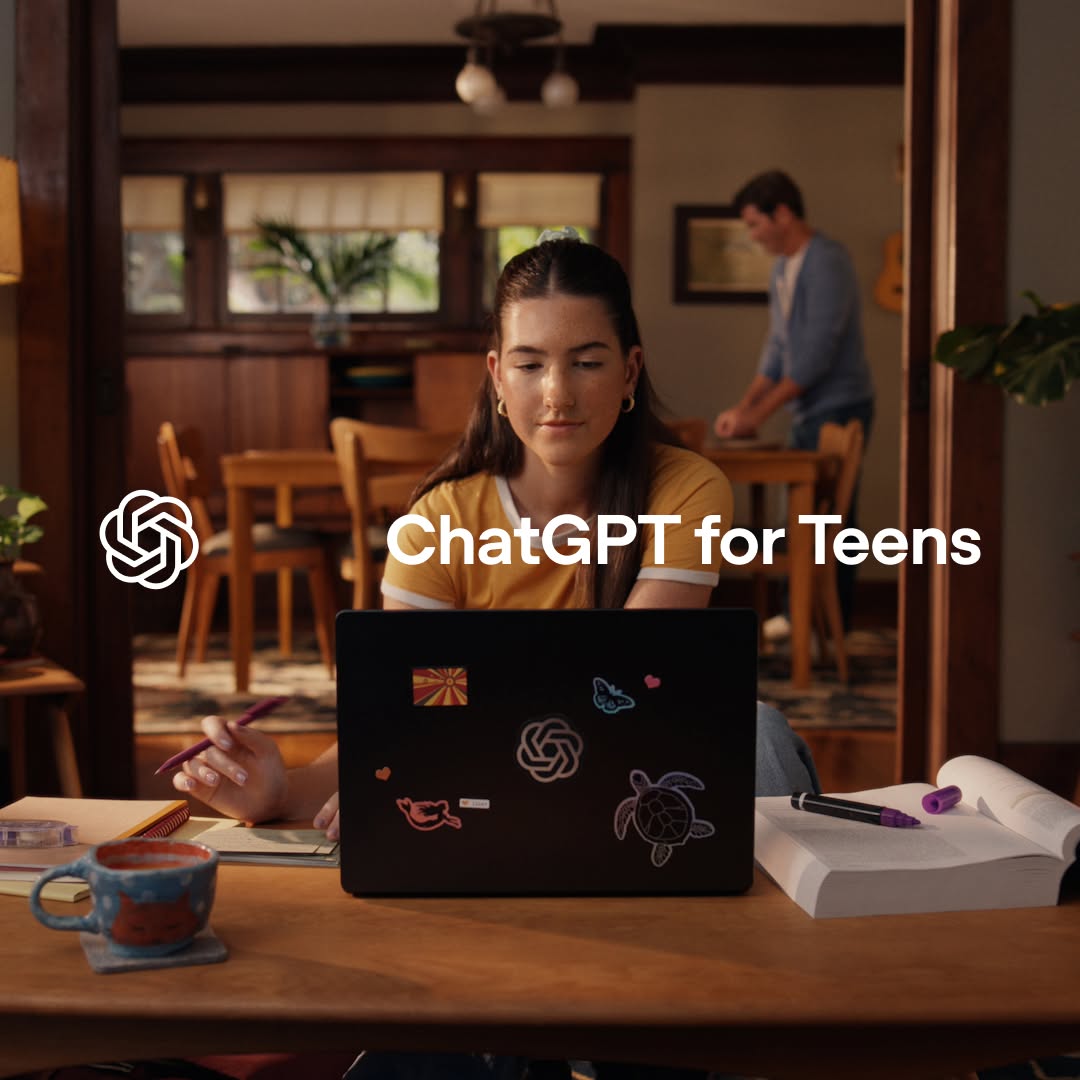

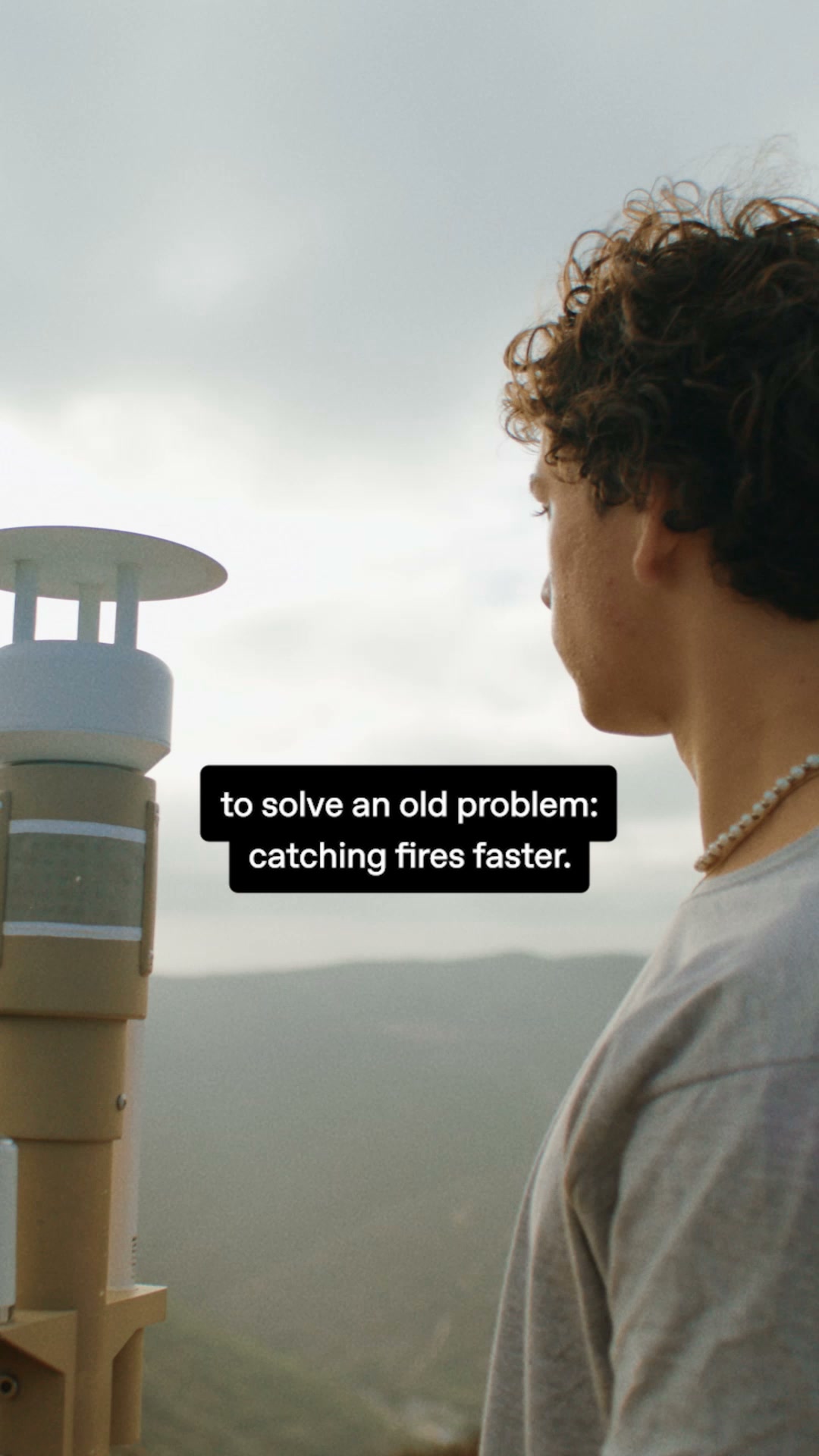


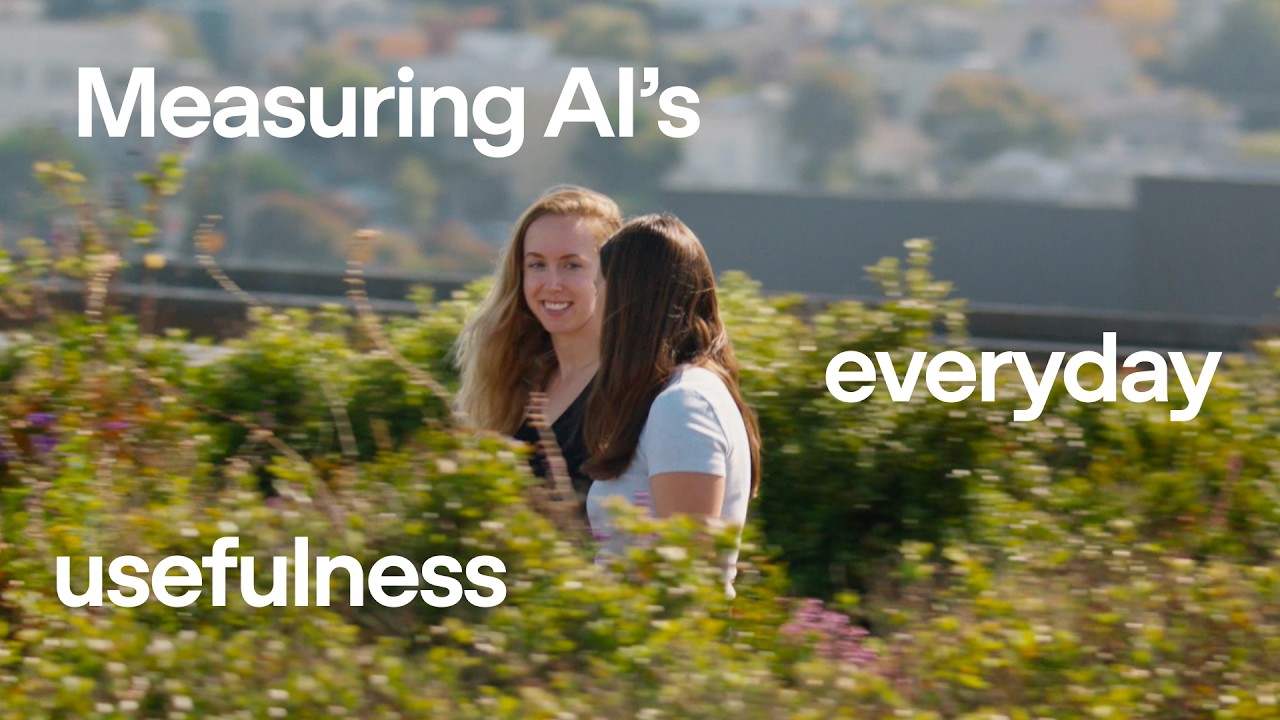
Full spec
Real people in real places: candid, cinematic, warm natural light, shallow depth of field, muted earthy palettes (wood, knitwear, kitchens, streets, fields). Subjects are customers and everyday users, not models posing with screens. On openai.com photos sit in square cards with titles beneath; in video and ads, short white type sits directly on the photo.
- Real people, candid, warm natural light
- Photos in cards with type beneath on the site; white type on the photo only in video/ads
- No staged screen-pointing stock
Interface & layout
The page, band by band
Header
Hero prompt
Feature row
Recent news
Stories
Latest research
OpenAI for business
Closing panel
Buttons
Full spec
Wide white canvas (page content about 32px from the edge at 1440 in the screenshots, read not measured). Home: centred prompt hero; a feature row of one large image card plus a column of three small cards; a 2-column list of news rows (thumbnail left, title + tag/date right); 3-up card rows for Stories, Latest research and OpenAI for business, each with a section head left and "View all" right; a grey rounded closing panel; a 5-column footer. Phone stacks to one column.
Measured from openai.com/%20(CLI%20screenshots,%202026-11-10)'s pixel measurement of the CLI full-page screenshots (row scans, pixel sampling, corner antialiasing) plus a headless fit of the real OpenAI Sans to each string; the CLI band walker returned no bands.
Spacing
| Measure | Desktop | Phone |
|---|---|---|
| Page margin | 32px | 24px |
| Section padding | 130px | 125px |
| Hero text width | max 770px, centered | full width |
| Card gap | 24px | 24px |
| Navigation | 64px | 64px |
Type, at size
Display: feature head and closing panel head, #000000
OpenAI Sans · 48px (phone 33) · line 1.12 · tracking -1.68px · weight 415
Hero question, centred, #000000
OpenAI Sans · 28.5px · line 1.2 · weight 515
Section head, left, #000000
OpenAI Sans · 22.5px (phone 20) · line 1.2 · tracking -0.34px · weight 400
Card and list title, #000000
OpenAI Sans · 18px (phone 16.5) · line 1.333 · tracking -0.18px · weight 480
Prompt placeholder, #666666
OpenAI Sans · 16px · line 1.5 · tracking -0.16px · weight 400
Buttons, chips, "View all", meta (tag #000000 + date #666666, 14px apart)
OpenAI Sans · 14px · line 1.4 · weight 400
Card/list meta tag ("Safety", "Product"), #000000; the date beside it stays in the ui row at 400 #666666
OpenAI Sans · 14px · line 1.4 · weight 460
Header links, #000000
OpenAI Sans · 13px · line 1.4 · weight 400
Footer heads (#666666) and links (#000000)
OpenAI Sans · 13px · line 1.4 · weight 400
Cards
LabelCard title, one line
One or two sentences on what this does for the reader.
LabelCard title, one line
One or two sentences on what this does for the reader.
No excerpt, no button, no hover visible
- Shadow
- One soft, wide grey halo around the home prompt box; cards and images sit flat.
- Density
- Very airy: the home hero is a single centred question and prompt box on a blank white field; sections are separated by large white gaps, not bands.
- Buttons
- Full pills. Primary: near-black fill, white text (header "Try ChatGPT ↗", news "Load more", business "Contact sales"). Secondary: light grey fill, black text ("Log in ⌄", "Try OpenAI ⌄", "Download"). Prompt chips: white pills with a hairline grey outline ("Talk with ChatGPT", "Research", "API Platform", "Stories", "More"). developers.openai.com pills: radius 9999px, 44px tall, 14px weight 500.
Page anatomy
How OpenAI’s own landing pages are built, observed on openai.com, 2026-11-10. The full measurements are in spec.md.
- Navigation
- Thin white header: wordmark left, six plain text links, then "Log in ⌄" text, grey "Talk to us" pill and black "Try ChatGPT ↗" pill at the right. No border, no shadow, no background change.
- Hero
- No headline, image or CTA button: one centred question over a ChatGPT-style prompt box and a row of suggestion chips, floating in white space.
- Feature row
- One big 16:9 feature with a display head on the left, a column of three square news cards on the right.
- Recent news
- Head row, then a 2-column list of 6 rows: small square thumbnail left, title + tag/date right.
- Stories
- Head row and three square photo cards of customer/user stories.
- Latest research
- Same 3-up square card row with abstract gradient tiles.
- OpenAI for business
- 3-up square cards; each tile is a customer logo in white on a material/texture photo.
- Closing panel
- Grey rounded panel with one centred display head and one pill.
- Footer
- White footer with no rule above it: five link columns, then a bottom row of social icons left, copyright + privacy centre, language pill right.
In use
Full spec
How the system carries across formats, from openai.com, developers.openai.com, the OpenAI YouTube channel and OpenAI/ChatGPT ads in the Meta Ad Library only.
Our setting for each format
| Format | Loudness | Must appear | What varies |
|---|---|---|---|
| Landing page | White page; header: black "OpenAI" wordmark left, 6 text links (Research, Products, Business, Developers, Company, Foundation), then plain "Log in ⌄", grey #F5F5F5 "Talk to us" pill and black #000000 "Try ChatGPT ↗" pill right; centred 28.5px/500 question over a 770px rounded (24px) prompt box with a faint halo and 5 outline chips; a 16:9 feature + 3 square cards row; image-first card rows (gradient tiles, warm photos, logo-on-texture) with 18px title, black tag and #666666 date; section heads 22.5px left with "View all" right; grey #F5F5F5 rounded (6px) closing panel with one 48px head and one pill; 5-column footer. Exact anatomy: kit.spec.page. | ||
| Social post | Full-bleed warm photo or generated image (or a black ground when the image is a diagram); white blossom + "ChatGPT" wordmark lockup top-left; a 2-3 line regular-weight white headline left-aligned in the upper middle; a 2-line "Try ChatGPT Images for free" sub bottom-left. Nothing else in frame; the platform button carries the CTA. | Product-lockup poster (from video ads, https://www.facebook.com/ads/library/?id=1683084703235190): white blossom + Semibold product name centred on a warm film still, nothing else. Question variant (Meta 9:16 statics): small blossom top-left, 2-line Semibold question, one sub line. Try-the-prompt variant (google-3, meta-5): a white rounded prompt pill with + and black send arrow across the middle, "Tap and try the prompt" small below. Previously this row used the lockup poster as the main layout: Full-bleed warm, natural-light photograph of a real person in a real place; one centred lockup: white blossom left, product name in white OpenAI Sans Semibold 68px right, both centred on the canvas. Nothing else in the frame. | |
| Social post, portrait | Same family as the square Social post at 4:5: lockup top-left at the 108px margin, 2-3 line regular-weight white head in the upper middle, "Try ChatGPT Images for free" at the foot, the extra height going to the image. The anatomy below is the product-lockup variant. | Product-lockup variant (anatomy below, from Meta 28476134192047446): white blossom + Semibold product name centred on a warm film still. The question variant (blossom top-left, 2-line head, one sub line) fits portrait too, derived from the 9:16 statics at the same 1080 width. | |
| Social post, story | Full-bleed warm cinematic photo or video frame of a real person; either a 2-line Semibold white question with a small blossom top-left, or burned-in subtitles in black chips; CTA in the platform button. | ChatGPT Images ads switch to a warm off-white ground with a black centred blossom, bold black 2-line head and the generated image below. | |
| Video thumbnail | Warm interview or lifestyle photo, subject right of centre or centred, no overlay; 2-3 lines of bold white OpenAI Sans flush left, top-left or bottom-left, or single words placed around the subject; launches use a sky-blue gradient with floating 3D objects and a centred 2-line white title. | ||
| Paid ad, product offer | The Social post layout (ChatGPT lockup top-left, 2-3 line regular white head, "Try ChatGPT Images for free" at the foot, on the product's own output image). For a light image: black blossom centred top, centred 2-line Semibold black head, small sub, the output filling the lower two-thirds (meta-4). Try-the-prompt: white prompt pill with + and black send arrow across the middle. | ||
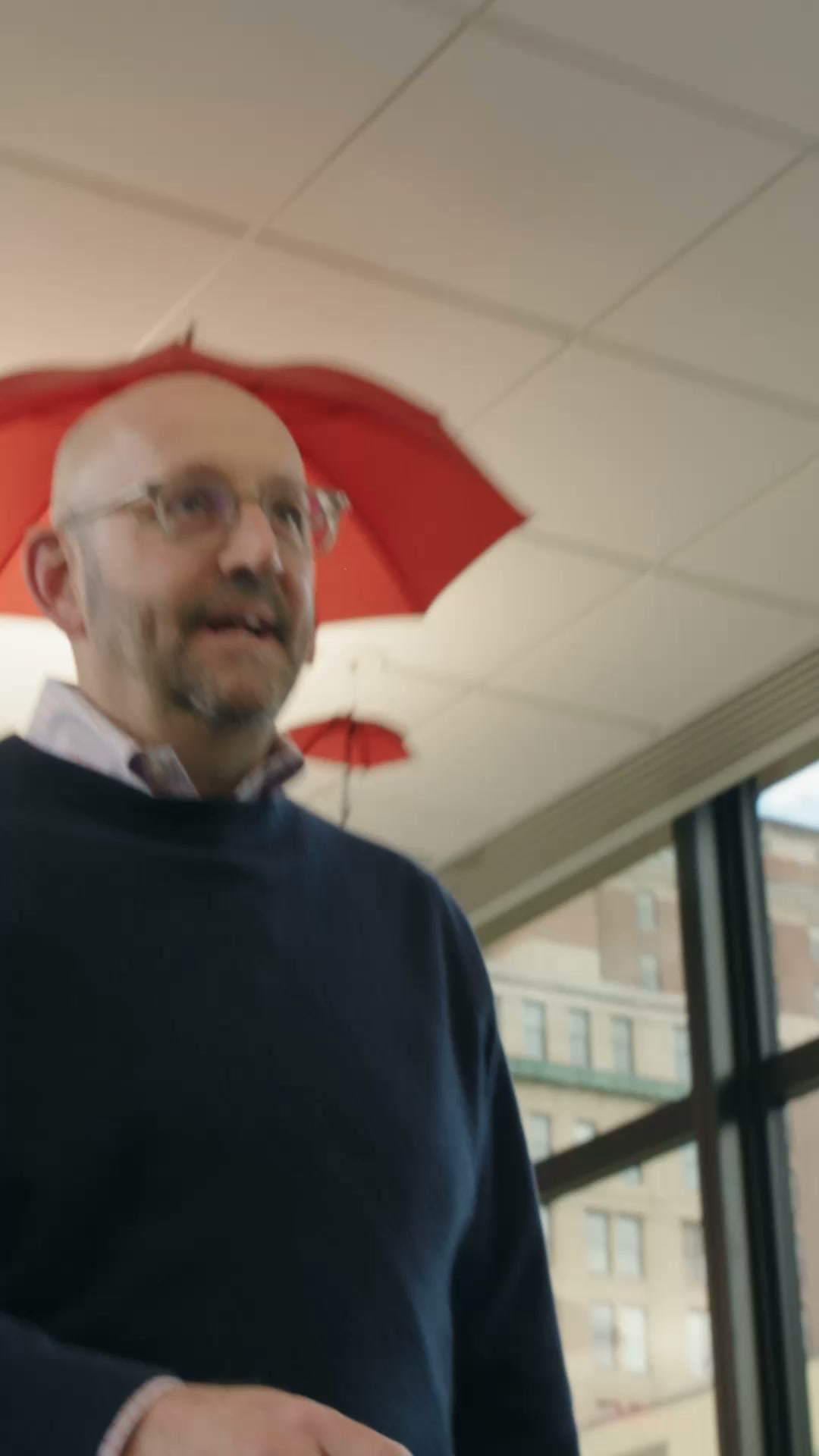
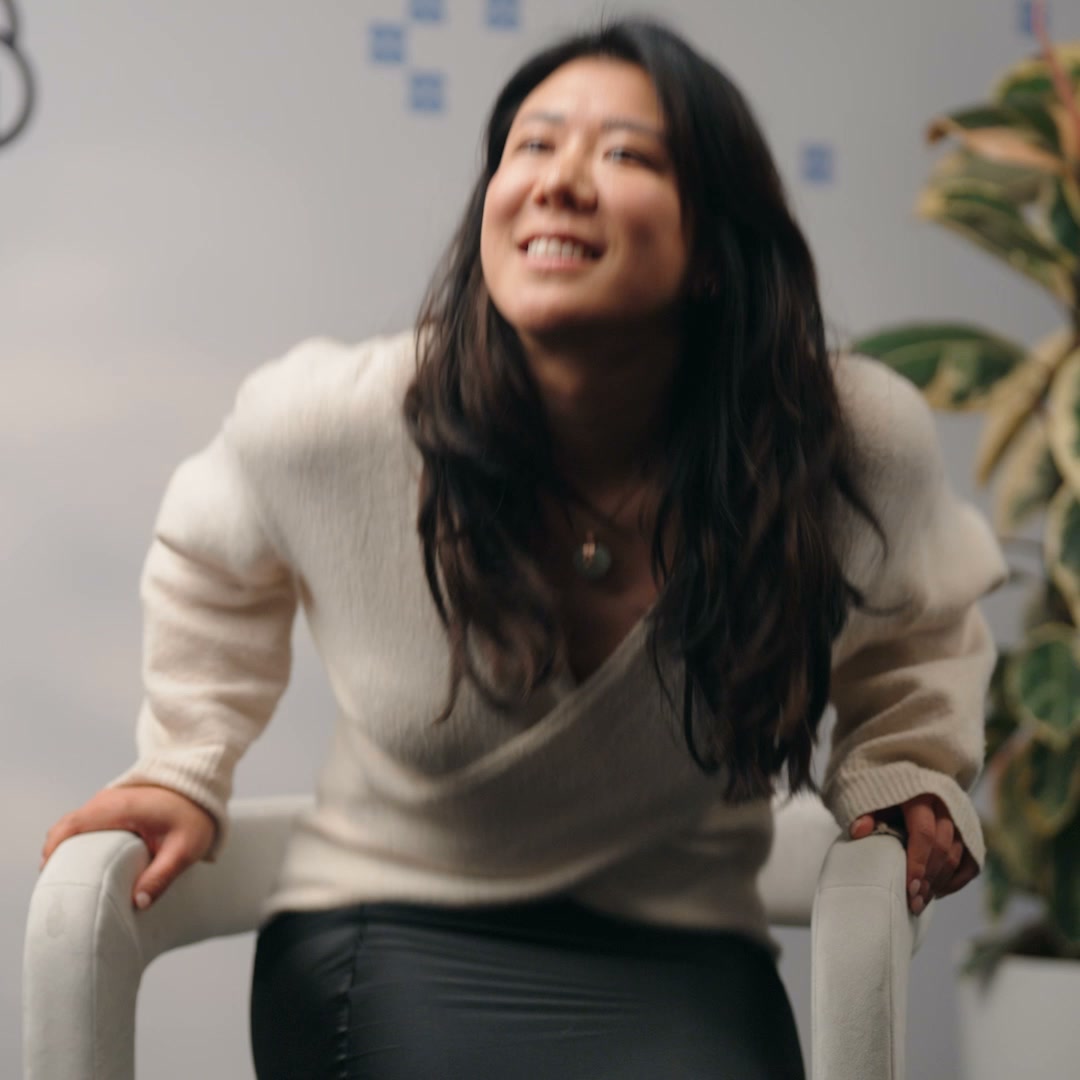
| Paid video ad, caption frame | Full-bleed warm cinematic frame of one real person; a burned-in subtitle, each line in its own black #000000 chip, white OpenAI Sans Medium, centred around mid-frame or low-centre; no logo or headline in frame. The ad's headline field names the story ("Detecting wildfires with ChatGPT"). | ||
| Paid video ad, product lockup poster | Warm film still of a real person; one white blossom + Semibold product-name lockup centred on the canvas (blossom 98px, gap to name about 2x blossom width, name 68px at 1080); nothing else. | ||
| App Store screenshot | Off-white #FAFAFA top fading into a soft blurred pastel gradient (peach, pink, lilac, blue; a different hue mix per screen); a 2-line centred sentence-case head in black regular weight near the top; one white phone mock of the ChatGPT UI centred below, cropped by the bottom edge. |
Ads
Rules
Do
Don’t
Steal this kit
Your name and logo, OpenAI’s system.
Comes with you
- Color roles and how much of each
- Type pairing, with open fonts
- Voice rules the writing check enforces
- Icon, photo, illustration and motion recipes
- The strategy frame, to fill with yours
Stays yours
- Your name and logo
- Your proof: numbers, customers, quotes
- Your purpose and claims. Theirs aren’t yours to make
Talk about my brand Use this brand in Claude
Hand it to a developer
- spec.mdEvery value and rule
- tokens.cssCSS variables
- tokens.jsonDesign tokens (DTCG)
- kit.jsonWhat our engines read
Your brand next
Get your brand audit Put your brand in Claude What goes in a brand book
What OpenAI doesn’t publish
- openai.com is behind a Cloudflare challenge for headless browsers; without user-agent spoofing (not allowed) no openai.com page could be loaded for computed styles, so all hex values except #FFFFFF and all type metrics come from developers.openai.com.
- No brand page: openai.com/brand returns a 500 (CLI capture). The sitemap also lists https://openai.com/brand-old/, which could not be opened; it may hold the old brand guidelines and is worth a capture with the CLI.
- openai.com/business also rendered a 500 error page in the capture (header and footer only).
- about, charter, careers, stories and customer pages were unreachable; mission and proof points come from RSS summaries on openai.com/news/rss.xml.
- No standalone "OpenAI" wordmark file: the wordmark is cropped from the developers lockup SVG; the openai.com favicon and apple-icon returned 403.
- Gradient tile and photo files from openai.com itself could not be downloaded; illustration and photo examples come from developers.openai.com, OpenAI ads and YouTube thumbnails.
- No deck or email examples; organic social not reachable without login; LinkedIn skipped by instruction.
- Anatomy (2026-11-10) is pixel-measured from CLI screenshots: hover/focus states, whether the header is sticky, the phone menu contents and nav dropdowns could not be observed (no live DOM: Cloudflare challenge, no UA spoofing).
- ref/slices/home-phone-04..07.png are stale unstyled slices from an earlier 17:46 capture (the page failed to style); the valid phone slices are 00-03 from the 18:22 re-capture.
- Social posts: no organic OpenAI posts observed (Instagram, X and Threads show only the profile image without login; LinkedIn skipped by instruction; openai.com og:image unreachable). The square, portrait and story anatomies come from OpenAI's paid creatives in the Meta Ad Library; the question variant on 1080 x 1080 is derived from the 9:16 statics at the same width.
- DNA pass (2026-11-10): no further openai.com pages could be opened for the DNA study (Cloudflare challenge; no UA spoofing), so the DNA rests on the CLI's home and news captures, Meta Ad Library creatives and YouTube thumbnails. LinkedIn posts and ad library skipped by instruction. The 9:16 question ad is only available as a 338 x 600 preview.
- Examples (2026-11-10): Google display ads exist only as Google-rendered previews, so the google-*.jpg tiles are 720px crops at preview scale with Google's rounded corners; Meta 9:16 statics only as 338x600 previews. No email, organic post grid (login), LinkedIn (skipped), TikTok or Play examples.
- Library (2026-11-10): openai.com and help/platform docs stay behind the Cloudflare challenge (no UA spoofing), and chatgpt.com blocks headless Chromium, so the library comes from chatgpt.com HTML fetched with plain curl (business, enterprise, education, codex, overview, pricing, download, work pages; image files on OpenAI's Contentful CDN, icons from its SVG sprites), academy.openai.com and forum.openai.com. Not published or not reachable: openai.com's own 'OpenAI for business' tile files (the one tile here is a rendered crop of chatgpt.com/business; other tiles = white customer logo on a gradient pattern), a brand icon set beyond product UI emoji-style icons, line-art spot illustrations (OpenAI uses 3D Dots mascots and cut-out stickers instead), event or office photography beyond a few story photos and customer headshots, and a press/brand page (openai.com/brand 500s). LinkedIn skipped by instruction.
- study.slot_assets are crops of the 1440/390-wide DPR 1 screenshots, not openai.com's original files (Cloudflare 403, no UA spoofing). Request from OpenAI: full-resolution originals for every card image, the phone 4:5 feature art, the business texture tiles and the footer social/privacy SVGs.
- Not measurable without a live DOM (request or capture with the CLI): phone menu contents, hover/focus/pressed states, whether the header is sticky, the placeholder rotation timing and easing, and the CSS breakpoint (600px in tokens.css is our default).
- Albert Sans has no ↗ glyph; the arrow is drawn as an inline SVG (our recipe). OpenAI Sans itself is proprietary.
- Most supplied gradient examples in study.library are 16:9 or strips; the home tiles are square. Use the square slot crops for square slots; crop library images only as a last resort.
- The derived design-fundamentals spacing (--section-pad, 'Sections 104px desktop, 56px phone') is generated by the CLI from the body size; the measured rhythm is kit.spec.layout (section_padding 130/125 white, per-transition list in layout.note).
Each value is marked published, observed, our reading or our recipe, with its source. Checked 2026-11-10. Not affiliated with OpenAI.