
The lesson
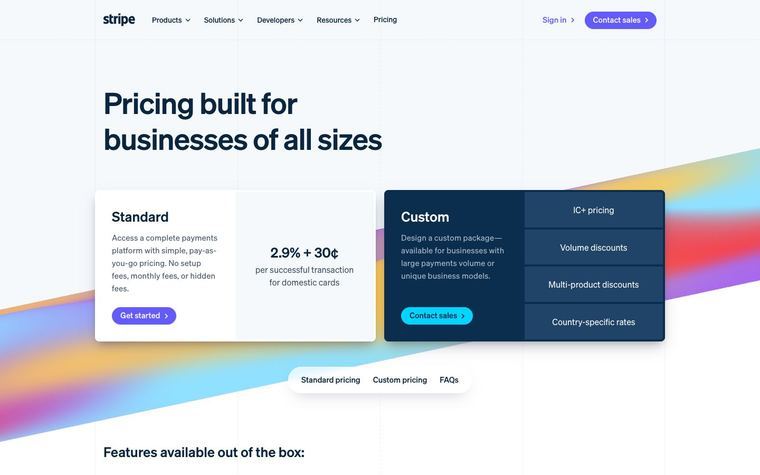
On an enterprise page, name the factors that set the price and list what the plan includes, so a buyer can scope the deal before calling sales.
The move
The hero, "Visual Media Infrastructure Built to Scale," sits beside an image showing transformation parameters and a single Contact Sales button, followed by "Trusted by 13K Enterprise Customers" and SOC 2, GDPR, SSO and G2 badges. "One Platform. Every Visual Media Problem Solved." walks through seven lifecycle stages from Ingest & Store to Automate & Orchestrate. Sections on integrations, security and governance, and "A Partner at Every Stage" follow, with named customer quotes. "What Drives Your Enterprise Plan" says pricing is based on asset volume, delivery volume and usage tier and lists the included features. The page then shows scale stats and analyst recognitions, a FAQ that includes "How is Cloudinary Enterprise pricing calculated?", and a closing Get Started button.
Why it works
- Our readPutting compliance and SSO badges right under the hero answers the security reviewer's first questions before the product pitch starts.
- Our readOrganizing capabilities by lifecycle stage lets a buyer from any team find their own step, whether that is storage, governance or delivery.
- Our readNaming the pricing drivers and the plan inclusions gives a procurement reader something concrete to bring to the sales call.
What not to copy
Don't copy the long integration logo wall or the analyst badge row unless you have that many partners and that much recognition. Keep the sequence: trust badges, capabilities by stage, support model, pricing drivers, then FAQs that handle procurement questions.
More from Cloudinary


More landing pages

Steal it for your brand.
Tell us what you want to make. We’ll talk through how to put these ideas to work for your brand.