The Oatly Embassy
23rd October 2026, South Kensington, London: Following the established diplomatic protocol, the opening of the Oatly Embassy was thoroughly documented by the Embassy Photographers.
5 campaigns on Google, Meta and LinkedIn, read Nov 2026.
23rd October 2026, South Kensington, London: Following the established diplomatic protocol, the opening of the Oatly Embassy was thoroughly documented by the Embassy Photographers.
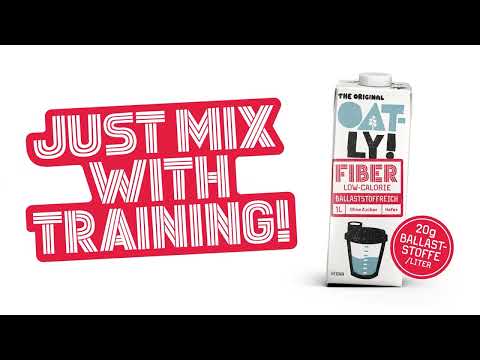
Oatly Fiber Low-Calorie. Just mix with training.
Oatly Barista o Smaku Popcornu?
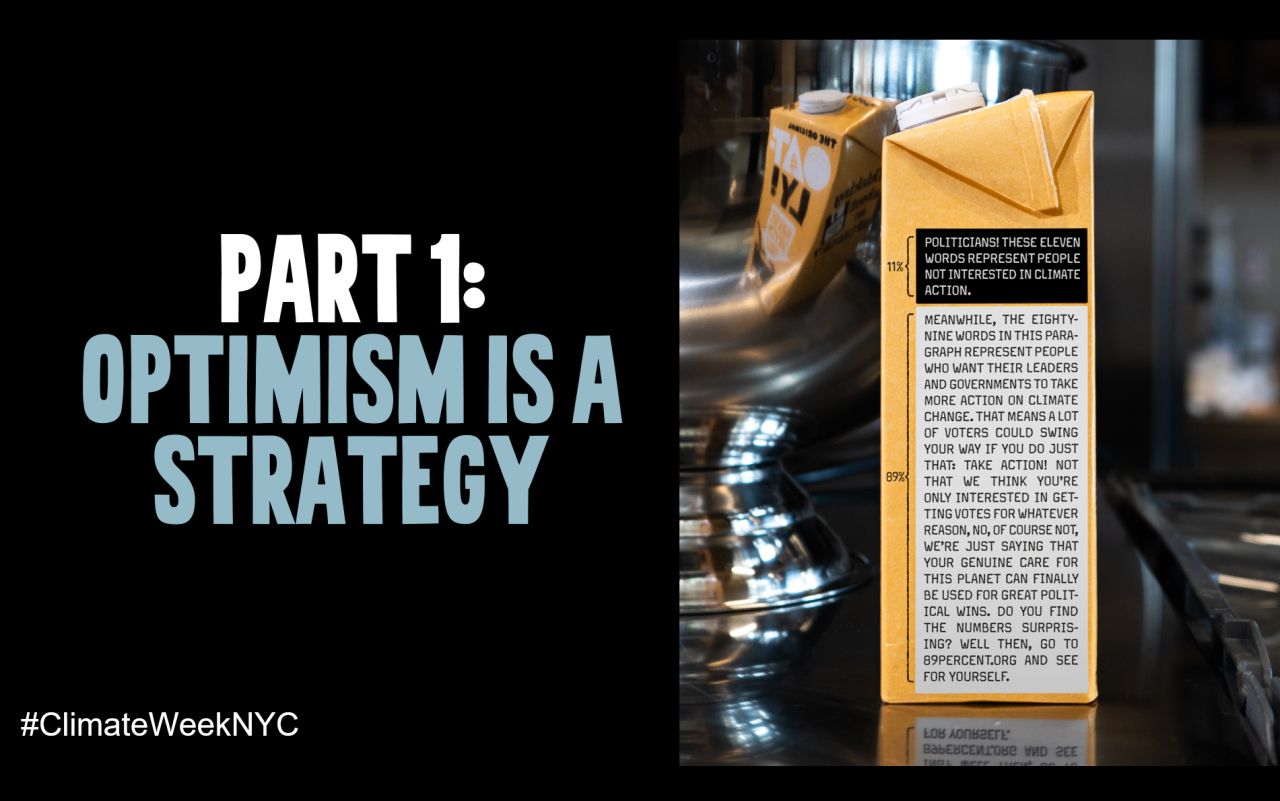
Ahead of next week’s #climateweeknyc, we are launching Oatly’s new series, From Insight to Impact. It’s a deep dive into what we believe are the key levers that can drive food system change, drawing on insights from expert interviews and a poll of more than 12,000 consumers across the UK, US and Europe. Link to the report in comments. Over the next few weeks I’ll be sharing snippets of what we learned. PART 1: OPTIMISM IS A STRATEGY… Ten years of pointing at what’s broken. A summer marked by some of the clearest reminders yet of the impacts of climate change. It can be tempting to focus on the
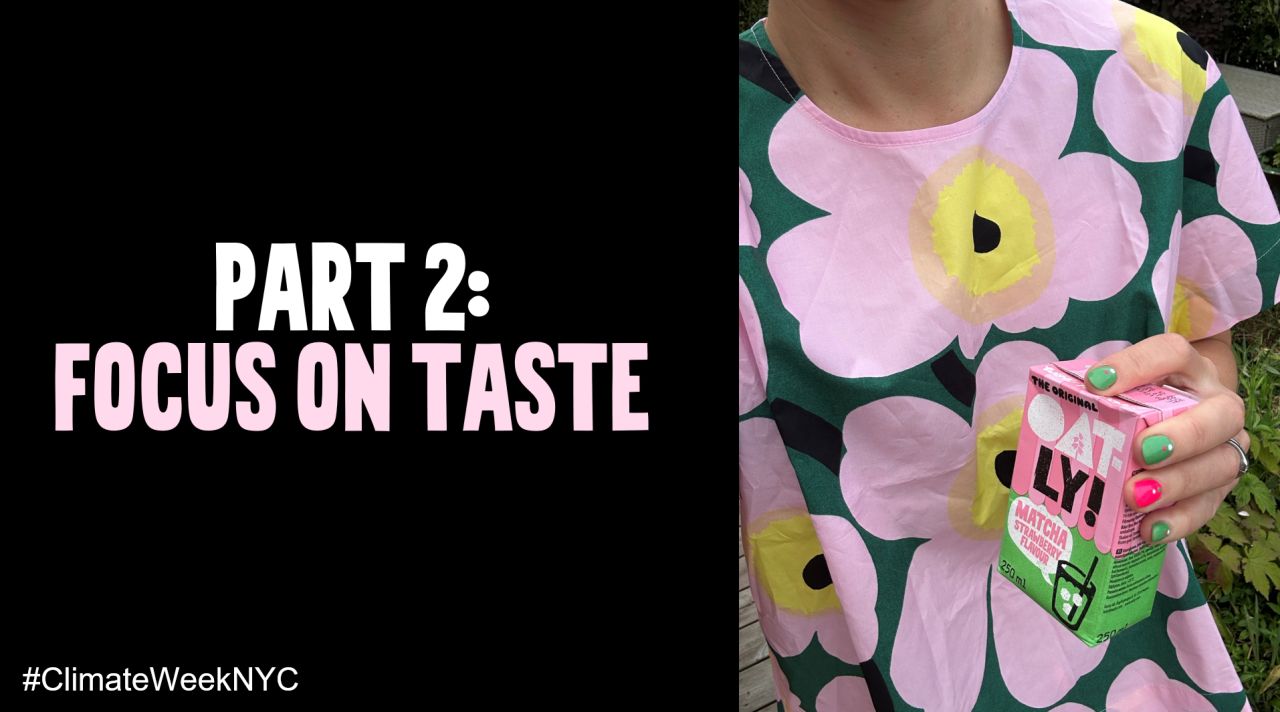
How do we make it easy for people to choose more healthy and sustainable foods? Focus on taste, the public say. From Insight to Impact – a deep dive into what we believe are the key levers that can drive food system change, using 29 expert interviews and a poll of more than 12,000 consumers across the UK, US and Europe. PART 2 - FACTS AND LOGIC DON'T MAKE MOUTHS WATER Despite growing interest in what is in our food, it’s taste (and price), not health nor climate impact, that decides what ends up on our plate. We all know that food decisions can often be emotional, not logical. We therefore won
72% of the public think decisions about the health and sustainability of our food system are only “sometimes” or “rarely” based on science. PART 3: FIGHT THE MISINFORMATION The World Health Organization says we’re working in an “infodemic” – not only is there too much information but it can often be false or misleading - causing confusion, risk-taking and mistrust. Yesterday, during Ursula von der Leyen's EU State of the Union, not only did she call this summer’s climate impacts “the summer of truth”, she emphasised the need for reliable, independent information to combat the distortion of tru
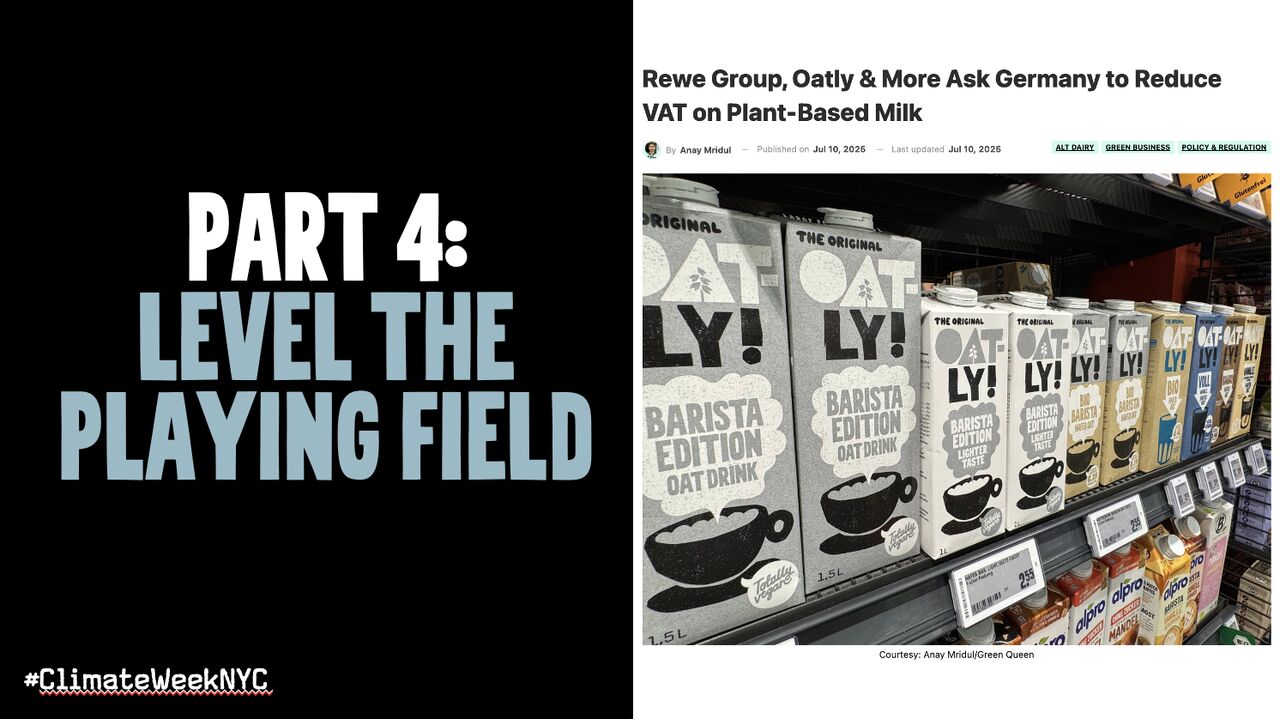
More than half of people say “price” is what stops them from eating more sustainably. No matter what else we do, price is a key purchasing factor. In October 2023, Lidl in Germany priced its plant-based Vemondo range at the same level as the meat and dairy equivalents. Sales rose more than 30% in six months. Price is a key purchasing factor. So lets make healthier, more sustainable foods cheaper. Simple, right? Well, not quite. Achieving competitive pricing to the “norms” you find in people’s shopping baskets is not easy in a complex world of food subsidies and hundreds of years of built-up re
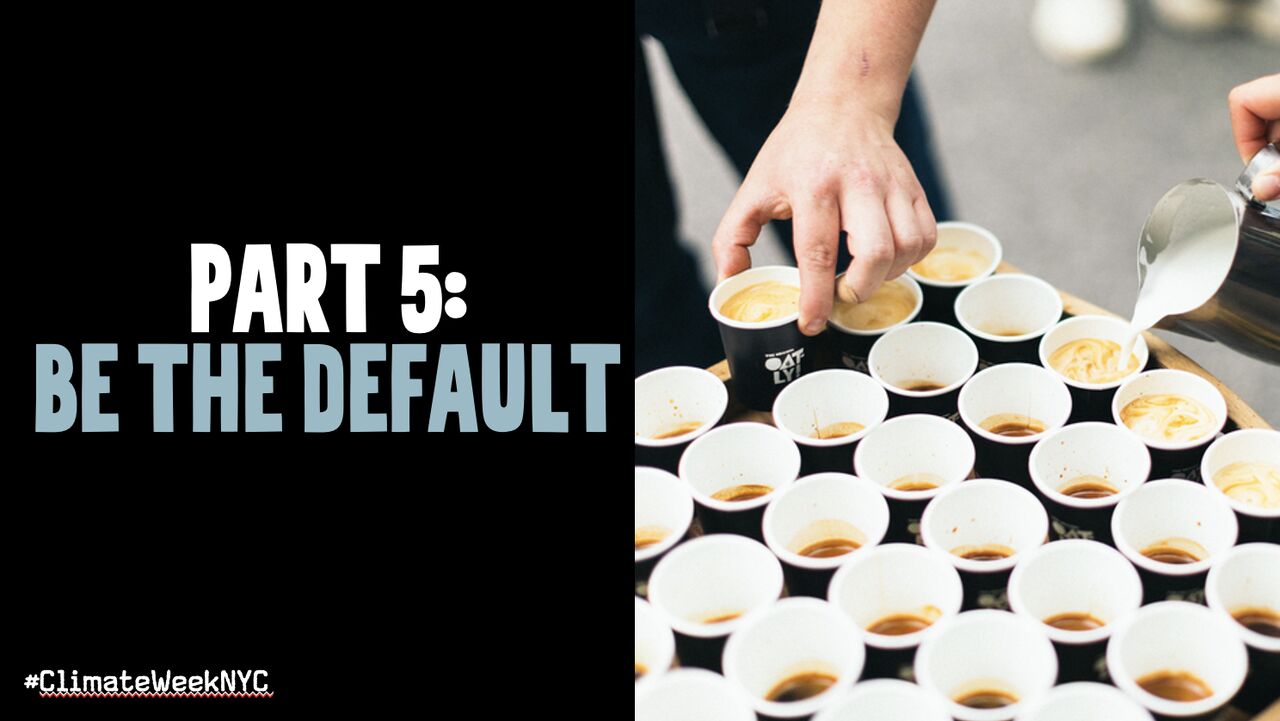
According to our research, only 1-2% of customers actively choose the food and drink they buy based on their sustainability credentials. Maybe that's not as much of a problem as it seems? PART 5: BE THE DEFAULT Defaults matter more than messaging, and the public agrees. 38% of the public chose “making the sustainable and healthy option the default” as the single greatest driver of change for the food system. And when it comes to oat drink specifically, 68% said they wouldn't mind it being the cafe default, most asking only that price stays the same. Of course, we must preserve choice and cost

Smuggling personality into the Oatly Embassy.